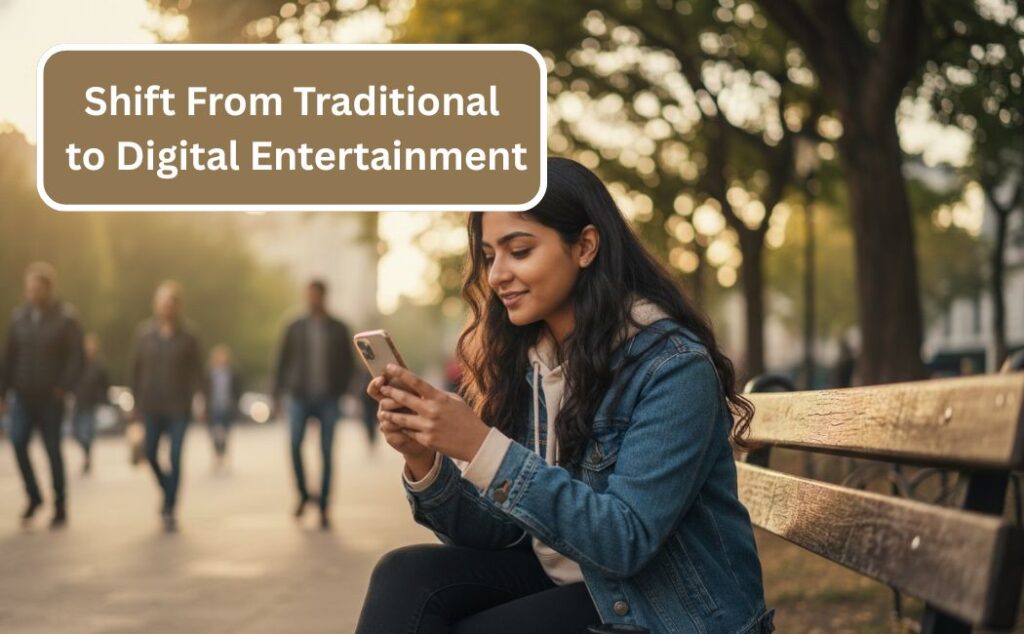
Modern lifestyle culture has changed dramatically over the last decade. Entertainment is no longer limited to television schedules, movie theaters, or weekend outings. Today, people enjoy entertainment wherever they are — at home, while traveling, during work breaks, or even relaxing at a beachside café. Smartphones, high-speed internet, and digital platforms have completely reshaped how people spend their leisure time.
From streaming services and online gaming to podcasts, virtual communities, and interactive live content, online entertainment has become deeply connected to everyday life. In 2026, digital entertainment is no longer just a trend. It has become part of how people socialize, relax, learn, and connect with others around the world.
The Shift From Traditional to Digital Entertainment
For many years, entertainment followed a fixed pattern. Families gathered around televisions at specific times, people visited cinemas for new releases, and gaming often required expensive hardware or physical setups.
The rise of digital technology changed everything.
Streaming platforms introduced on-demand viewing. Music apps gave users access to millions of songs instantly. Social media created interactive entertainment experiences where people could engage directly with creators and communities. As internet accessibility improved globally, entertainment became more personalized and available 24/7.
This convenience played a major role in making online entertainment part of daily routines.
Today, people often begin and end their day with some form of digital content, whether it’s watching short videos, listening to wellness podcasts, reading online blogs, joining gaming sessions, or streaming live events.
Mobile Devices Changed Entertainment Habits Forever
One of the biggest reasons online entertainment became so deeply integrated into modern culture is mobile technology.
Smartphones turned entertainment into something portable and instantly accessible. Instead of waiting to reach home, users can now enjoy their favorite content anywhere:
- During travel
- While commuting
- At cafés
- During lunch breaks
- On vacations
- While relaxing at home
This flexibility has transformed entertainment from an occasional activity into an everyday lifestyle habit.
Mobile apps also made platforms more interactive and personalized. Algorithms now recommend content based on user interests, viewing history, and online behavior. As a result, users spend more time engaging with content that feels tailored specifically for them.
Online Entertainment Became a Social Experience
Digital entertainment is no longer a solo activity. Modern platforms encourage social interaction, community participation, and shared experiences.
People now:
- Watch live streams together
- Join gaming communities
- Share playlists
- Participate in online discussions
- Follow creators and influencers
- Engage in virtual events
Social media platforms further accelerated this shift by blending entertainment with communication. A single platform can now combine video content, live streaming, messaging, shopping, and gaming experiences all in one place.
This social element is one reason why online entertainment feels more engaging than traditional media for many users.
The Rise of Interactive Entertainment
Modern audiences increasingly prefer interactive experiences over passive entertainment.
This is why online gaming, live streaming, and real-time digital engagement have grown so rapidly. Users no longer want to simply watch content — they want to participate in it.
Interactive entertainment includes:
- Multiplayer gaming
- Live chats during streams
- Virtual reality experiences
- Interactive quizzes
- Skill-based digital games
- Online competitions
Gaming platforms in particular have become a major part of entertainment culture. Many users now explore different types of strategy-based and live gaming experiences as part of their digital leisure activities.
For readers interested in learning more about emerging online gaming platforms and entertainment trends, resources such as https://www.outlookindia.com/xhub/e-gaming/10-web-baccarat-online-2026 provide insights into how modern gaming experiences continue evolving in 2026.
Entertainment and Lifestyle Are Now Closely Connected
Online entertainment now influences several areas of modern lifestyle culture, including:
Wellness and Relaxation
Many people use digital entertainment as a way to relax and reduce stress after busy schedules. Calm music playlists, meditation apps, travel vlogs, and casual games have become part of daily self-care routines.
Travel Culture
Travelers increasingly rely on online entertainment during flights, hotel stays, and downtime while exploring new destinations. Streaming content, podcasts, and mobile gaming help people stay entertained wherever they go.
Remote Work Lifestyle
The growth of remote work also increased digital entertainment consumption. Flexible schedules allow people to blend work and leisure more naturally throughout the day.
Home-Centered Living
Modern lifestyles place greater emphasis on comfort and home experiences. People now create cozy entertainment spaces with smart TVs, gaming setups, and streaming subscriptions that bring entertainment directly into their homes.
The Role of Streaming Platforms
Streaming services completely changed how people consume media.
Instead of waiting for scheduled broadcasts, users can now:
- Watch content on demand
- Binge the entire series
- Access global content libraries
- Explore niche interests
- Follow independent creators
This freedom of choice has made entertainment more personalized than ever before.
Streaming platforms also introduced new forms of content, such as:
- Live podcasts
- Interactive reality shows
- Gaming streams
- Educational entertainment
- Lifestyle vlogs
These formats appeal strongly to younger audiences who prefer flexible and interactive viewing experiences.
Why Digital Entertainment Continues to Grow
Several factors continue driving the growth of online entertainment worldwide:
Faster Internet Access
Improved internet speeds allow smoother streaming, real-time gaming, and high-quality video experiences.
Affordable Smartphones
Modern smartphones provide powerful entertainment capabilities at affordable prices, expanding access globally.
AI-Powered Recommendations
Artificial intelligence helps platforms personalize content recommendations, improving user engagement.
Global Connectivity
Users can now interact with creators, communities, and entertainment platforms from anywhere in the world.
Convenience
Perhaps the biggest factor is convenience. Online entertainment fits naturally into modern schedules and lifestyles.
The Future of Online Entertainment
The future of digital entertainment will likely become even more immersive and personalized.
Emerging technologies such as:
- Virtual reality (VR)
- Augmented reality (AR)
- AI-generated experiences
- Cloud gaming
- Interactive live events
are expected to redefine entertainment once again over the coming years.
Experts also predict stronger integration between entertainment, shopping, education, wellness, and social interaction, creating more connected digital ecosystems.
Final Thoughts
Online entertainment has evolved far beyond simple screen time. It has become part of modern lifestyle culture, influencing how people relax, socialize, travel, and spend their free time.
The combination of convenience, accessibility, personalization, and interaction continues to drive its popularity across all age groups. Whether through streaming platforms, gaming communities, podcasts, or live digital experiences, online entertainment now plays a major role in everyday life.
As technology continues advancing, digital entertainment will likely become even more integrated into how people connect, communicate, and enjoy leisure in the years ahead.

Welcome to my blog!
Meet Hannah Katherine, the creative voice behind Lifestyle, a blog dedicated to finding beauty and balance in everyday living. A former interior stylist turned full-time content creator, Sophie blends her love for cozy home design, mindful travel, and self-care into heartfelt stories that inspire readers to slow down and savor the little moments..