Not every drop in tourism means a place has lost its charm. New numbers from across the East Coast show that several well-known destinations recorded fewer visitors, shorter hotel stays, or reduced park attendance in 2025.
The reasons vary widely, from rising costs and construction delays to weather problems and shifting habits among international travelers.
Big Cities See Fewer International Visitors
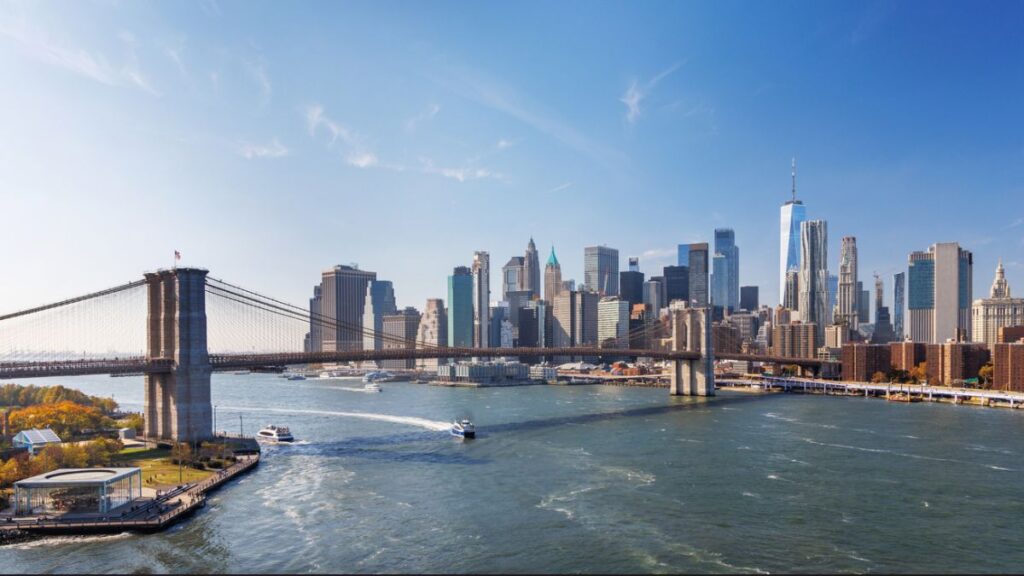
New York City remained one of the busiest destinations in the country, welcoming about 65 million visitors overall. But international tourism moved in a different direction, falling more than 3 percent to roughly 12.5 million visitors.
Midscale hotel occupancy also softened, even as the average nightly rate climbed to around $334. Domestic travel and luxury spending helped balance the numbers, but higher prices and worries about entering the United States appear to have discouraged some overseas and budget-conscious travelers.
Washington, D.C. followed a similar pattern. Overall visitor numbers rose slightly, yet international attendance slipped from about 2.2 million to 2.1 million.
Federal layoffs, political demonstrations, heightened security, and immigration enforcement all contributed to a more cautious image abroad. Tour companies reported weaker demand at times, and government-related business travel also cooled.
Coastal destinations felt the impact too. Myrtle Beach hotel occupancy fell more than 3 percent during the third quarter compared to the year before, with officials pointing to a slow July, a weaker September, extra rainfall, and tighter household budgets.
In New Hampshire, the White Mountains and North Conway area lost a noticeable share of Canadian visitors, with some hotels reporting unusually high vacancy rates on summer weekends as travelers shifted toward shorter day trips instead of full vacations.
National Parks and Historic Sites Report Steep Declines
Several federally managed parks and historic areas saw some of the sharpest drops of the year. Independence National Historical Park in Philadelphia recorded about 1.93 million recreation visits, down close to 31 percent from 2024, with reduced hours and staffing shortages likely playing a role.
Colonial National Historical Park in Virginia fell even further, down roughly 38 percent, after a major rehabilitation project closed sections of the Colonial Parkway that connect Jamestown, Williamsburg, and Yorktown.
Gateway National Recreation Area in New York and New Jersey saw visits drop nearly 14 percent to about 7.7 million, a number heavily influenced by beach weather, storms, and local resident patterns rather than long-distance tourism alone.
The Statue of Liberty and Ellis Island also slipped almost 5 percent, as some travelers chose to view the monument from Battery Park or a ferry ride rather than commit to the full ticketed experience involving timed entry and security screening.
Cape Cod National Seashore in Massachusetts recorded about 3.68 million visits, down close to 4 percent, with beach fees, lodging costs, and reduced Canadian travel cited as factors.
Cape Hatteras in North Carolina saw a smaller decline, near 3 percent, while Cape Lookout, which requires a ferry ride to reach its barrier islands, dropped more sharply at about 7 percent due to limited schedules and weather cancellations.
Even Great Smoky Mountains National Park, still the most visited park in the country with 11.53 million visits, came in 5.4 percent below its 2024 total. Officials suggest this may reflect a return to more typical attendance levels following several unusually crowded years. Shenandoah National Park in Virginia also dipped slightly, as fog, rain, and road closures along Skyline Drive affected turnout.
Smaller historic sites were not spared either. Antietam National Battlefield in Maryland fell more than 18 percent, while Morristown National Historical Park in New Jersey dropped 12 percent.
Appomattox Court House and the Fredericksburg and Spotsylvania battlefields in Virginia both saw modest declines as well, often linked to reduced staffing, fewer school tours, and competition from more widely known Civil War sites nearby.
Across the board, rising costs, construction, weather, and fewer Canadian visitors emerged as recurring themes shaping East Coast travel patterns this year.

Chloe traded her snowy winters in Chicago for year-round sunshine and hasn’t regretted a single day. She covers general lifestyle topics, blending home decor inspiration with everyday coastal living. Whether she is reviewing the best summer beach reads, sharing tips for hosting a patio brunch, or figuring out how to bring beach aesthetics into a standard apartment, Chloe’s writing is bright, engaging, and always highly practical.