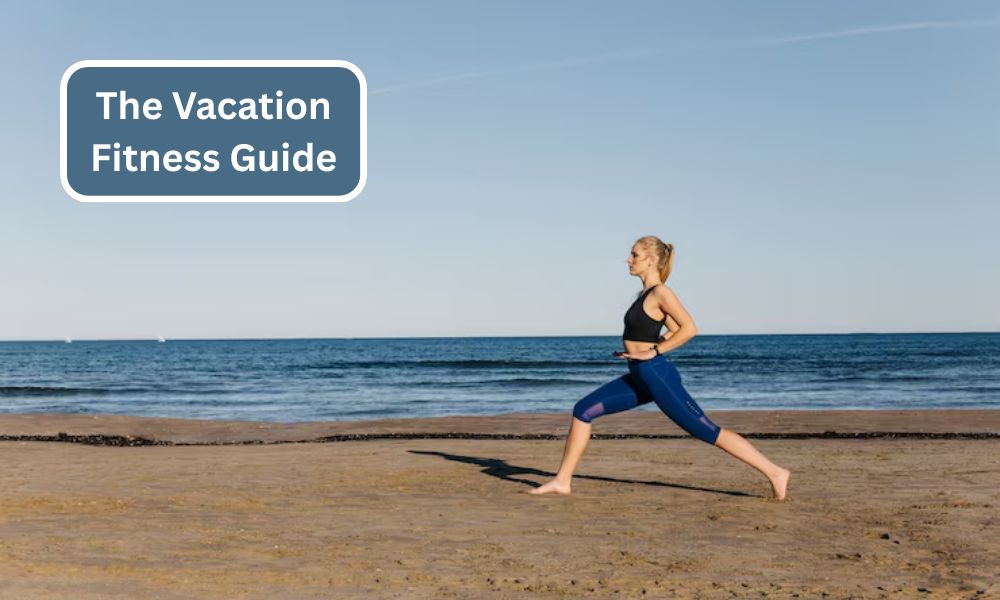
Let me tell you about the best workout I ever had on a Florida vacation.
I didn’t plan it. I rented a paddleboard on Sarasota Bay for what I described to myself as “just messing around on the water for a bit.” Two hours later, I paddled back to the dock with shaking arms, a core that had been working harder than it had in months, and a sunburned nose from staring at the horizon where I was pretty sure a dolphin had just surfaced.
My abs hurt for two days. Two days.
I had burned more calories than any hotel gym session I’d ever forced myself through. I’d worked muscles I forgot I had. And I had been so completely absorbed in the water, the light, and the dolphin situation that I had not once thought the word “exercise.”
That moment changed how I approach vacation fitness entirely.
Here’s what I know now: staying fit on vacation doesn’t require a hotel gym, a 5 AM alarm, or a spreadsheet of macros. It requires choosing activities that are genuinely fun and also genuinely physical — and then getting out of your own way long enough to enjoy them.
This guide is everything I’ve learned. The honest version. No pretending you’ll do burpees in a hotel room at 6 AM if you never do burpees in a hotel room at 6 AM.
Tips to Stay Fit on Vacation
1. The 20-Minute Morning Rule
This is the single habit that makes the biggest difference. And it’s much easier than it sounds.
Every morning, before the day pulls you in ten directions, do twenty minutes of movement. That’s it. Twenty minutes.
It doesn’t have to be intense. A walk along the beach. A swim. Ten minutes of stretching followed by a ten-minute walk to get coffee. A short yoga flow on the balcony before anyone else is awake. Twenty minutes of movement done at a relaxed pace still kickstarts your metabolism, clears your head, and sets the physical tone for the rest of the day.
The reason this works on vacation specifically is that mornings on vacation are genuinely beautiful. The beach at 7 AM before the crowds. The bay at sunrise. A quiet Gulf Coast street with the light still low and golden. There is real motivation in these conditions that a hotel gym simply cannot replicate.
I’ve walked Siesta Key Beach at 7 AM more times than I can count. The sand is cool, the water is doing extraordinary things with the early light, and there’s almost nobody there. I walk for thirty or forty minutes without thinking about walking. I’m just there. Moving.
That’s the 20-minute rule in action. It expands naturally when the conditions are good. And on the days when twenty minutes is genuinely all you do — that’s still enough.
2. Vacation Workouts That Don’t Feel Like Workouts
Here’s the list that actually matters. These are the activities that will keep you genuinely fit without requiring a shred of gym motivation.
Swimming in the Gulf
Swimming is one of the best full-body workouts in existence. It works your arms, core, back, legs, and cardiovascular system simultaneously with near-zero impact on your joints.
And swimming in the Gulf of Mexico — warm, clear, buoyant salt water with the sound of waves and the sky wide open above you — is nothing like swimming laps in a pool. It’s joyful. It’s sensory. It’s the kind of movement that makes you feel like a child in the best way.
Twenty minutes of genuine swimming in the Gulf burns between 200 and 350 calories depending on your intensity. The wave resistance adds an element you don’t get in still water. And the fact that you’re looking at the horizon instead of a pool wall means you’ll stay in longer.
Sarasota’s beaches are ideal for this. The Gulf water is shallow and warm, the entry is gradual, and the range of beaches — from the calm quartz-white sand of Siesta Key to the wilder southern stretches near Venice — gives you options for every kind of swim.
Kayaking and Paddleboarding
My paddleboard moment is proof enough. But let me give you the breakdown.
Paddleboarding at moderate intensity burns approximately 300–400 calories per hour. It works your entire core — which is doing constant stabilizing work whether you notice it or not — as well as your legs, arms, and shoulders. An hour of paddleboarding in Sarasota Bay will work your body as thoroughly as a well-structured gym session.
Kayaking burns 300–400 calories per hour at moderate intensity and works primarily your arms, back, core, and shoulders. It’s slightly less full-body than paddleboarding but easier to sustain for longer periods, which means a two or three-hour kayak session can be significant.
Both of these feel like adventure. Neither of them feels like exercise. The mangrove tunnels at Bird Key Park in Sarasota, the calm bay waters around the causeway, the open Gulf — these are genuinely beautiful environments to move through.
The Bird Key Park guide covers the free kayak launch at the park, which is one of the best access points for Sarasota Bay paddling.
The Bridge Walk (Sarasota’s Best-Kept Fitness Secret)
If you’re in Sarasota, park at Bird Key Park and walk over the John Ringling Causeway Bridge and back.
Locals have been doing this for decades. It’s the only real elevation change in a flat city, which makes it the default walking workout for anyone who takes their daily movement seriously. The round trip is about a mile. The views of the downtown skyline and the bay are extraordinary. And because it’s genuinely beautiful, you’ll walk faster and further than you planned.
This is a 20-minute activity that can expand to an hour depending on how many times you stop to look at the water. Both outcomes are fine.
Beach Walks
Walking in sand burns significantly more calories than walking on pavement — roughly 20–30% more, because every step requires more muscular effort to stabilize your foot. A brisk 30-minute beach walk is equivalent in exertion to a 40-minute walk on a hard surface.
Early morning beach walks are genuinely one of the great Florida experiences. Cool sand, quiet beach, the Gulf doing its slow morning thing. Do this before breakfast every day of your vacation and you’ve added real movement without sacrificing a single hour of actual vacation time.
Surfing
Surfing is a workout that disguises itself as extreme fun. The paddling alone — lying flat on the board, arms working constantly, fighting the current to get back outside after each wave — is exhausting cardio in the best way. Add the pop-ups, the balance, and the sheer physical engagement of actually riding a wave, and you’ve got something that works your body comprehensively.
You don’t need to be experienced. The small, warm Gulf waves around Sarasota and Venice are genuinely ideal for beginners — forgiving, fun, and taught by excellent local instructors who specialize in first-timers.
The surfing in Sarasota guide covers the best spots, lesson providers, and the honest reality of Gulf Coast surf — including why it’s actually perfect for learning.
Snorkeling
An hour of snorkeling burns 300–400 calories. It’s low-intensity cardio that involves constant movement, controlled breathing, and the specific physical engagement of finning and staying buoyant.
In the Florida Keys, the reef system offers some of the best snorkeling in the continental US. The Florida Keys travel guide covers the snorkel spots in detail — from John Pennekamp’s glass-bottom boat options to the deeper reef dives near Big Pine Key.
Cycling
Many Gulf Coast cities — Sarasota, St. Pete, Clearwater — have excellent cycling infrastructure. Renting a bike for a morning and riding along the waterfront routes covers real distance, burns real calories, and shows you the city in a way that driving or walking doesn’t.
In Clearwater, cycling the causeway and beach areas is a popular morning activity. In St. Pete, the waterfront trail stretches for miles along Tampa Bay. In Sarasota, the Ringling Bridge walk can extend into a full cycling loop toward Lido Key and St. Armands.
Walking Tours and Long Explores
Serious walking — the kind where you’re exploring a new city, constantly stopping to look at things, covering distance without realizing it — is among the most sustainable fitness activities available.
The Ringling Museum of Art in Sarasota covers 66 acres. Walking the full grounds is a real workout disguised as a cultural afternoon. The Sarasota Art Museum is worth an entire morning of wandering. The Sarasota Jungle Gardens covers 10 acres of tropical paths — you’ll cover more ground than you think in the course of a visit.
None of these feel like exercise. All of them are.
3. Eat Right
Let’s be honest about something.
Vacation is one of the great eating opportunities of your life. You’re in a new place with new food and new restaurants and none of your usual patterns or obligations. Telling yourself to eat salads and skip the key lime pie is not a fitness strategy — it’s a recipe for feeling deprived and then eating everything at once on day three.
Here’s what actually works.
The 80/20 Rule
Eat well 80% of the time and enjoy yourself 20% of the time — without guilt, without math, without logging anything.
In practice: eat a good breakfast (protein, fruit, something that fuels the morning activity). Eat a reasonable lunch. And for dinner, eat whatever sounds genuinely delicious and wonderful, because you’re on vacation and the food is part of the experience.
The morning beach walk earns the evening pasta. The paddleboard session earns the key lime pie. The fitness and the enjoyment aren’t in opposition — they’re in balance.
Eat Local and Fresh
This is easier than it sounds on the Gulf Coast. The seafood here is genuinely fresh and genuinely good for you. Grouper, mahi-mahi, Gulf shrimp, oysters — these are protein-rich, nutrient-dense, and prepared simply at most coastal restaurants.
Choosing fresh local seafood for most meals is genuinely one of the healthiest eating patterns available. You don’t have to think about it as diet food. It’s just the best thing on the menu.
The best Sarasota restaurants guide is full of options where fresh Gulf seafood is the centerpiece — places like Sea Worthy Fish + Bar where the daily catch drives the whole menu.
Don’t Skip Breakfast
This is the one that gets people on vacation. You sleep in, you skip breakfast, you’re running on coffee by 11 AM, and by noon you’ve made three impulsive decisions about food. Breakfast — even a simple one — stabilizes your energy and makes everything else easier.
Eat at Your Activity Level
If you’ve paddled for two hours, had a beach walk, and walked three miles around a new neighborhood, you’ve earned a significant meal. Eat accordingly. If you’ve had a genuinely restful day of reading, napping, and sitting by the pool — eat a little lighter. Match your intake to your output, roughly and intuitively, without a spreadsheet.
4. Staying Hydrated (Especially in Florida)
This deserves its own section because Florida dehydrates you faster than you expect.
The combination of heat, humidity, and sun exposure — especially if you’re swimming, walking, or doing any outdoor activity — creates a hydration demand that’s higher than your normal daily life. And the insidious thing about Gulf Coast dehydration is that you often don’t feel thirsty when you’re actually dehydrated, because the ambient temperature is close to your body temperature.
Drink water before you feel thirsty. The rule in Florida is simple: drink a glass of water before every meal, carry a water bottle on every activity, and drink before you go to bed.
Signs you need more water: fatigue in the afternoon (often blamed on heat but usually dehydration), headaches, feeling sluggish on day three. All of these can be prevented by staying ahead of your hydration rather than chasing it.
Alcohol counts against your hydration. Beautiful Gulf sunsets with cocktails are a legitimate part of a good vacation — just match every alcoholic drink with a glass of water and you’ll feel dramatically better the next morning.
4. Sleep: The Most Underrated Fitness Tool
Here’s something the fitness industry doesn’t say loudly enough.
Sleep is recovery. Sleep is when your body rebuilds muscle, regulates hormones, processes the day’s movement, and resets your metabolism. An extra hour of sleep on vacation is not laziness — it’s one of the most genuinely restorative things you can do for your body.
Most people are chronically under-slept in their regular lives. Vacation, where the alarm doesn’t go off for work and the schedule is yours, is a genuine opportunity to rebuild that sleep debt.
Sleep also makes everything else work better. You’ll be more motivated for morning movement, less likely to make impulsive food decisions, and more energized for afternoon activities if you’re well-rested.
Don’t fight the vacation sleep. Let it happen. It’s doing real work.
5. What to Pack for Staying Active on Vacation?
The right gear makes movement effortless. The wrong gear gives you excuses. Here’s what actually gets used:
Movement essentials:
- One pair of quality walking shoes (already broken in — do not bring new shoes on vacation)
- Water shoes or secure sandals for kayaking and water activities
- Two swimsuits (one drying while you wear the other)
- A rash guard or UPF long-sleeve shirt for sun protection during water activities
- Workout shorts or quick-dry athletic shorts that can double as swimwear
- A packable resistance band (takes zero space, adds options for hotel-room movement)
- A reusable water bottle you’ll actually use
What to skip:
- The full gym kit you won’t touch
- Shoes for every scenario
- Anything that adds weight without adding actual use
Keep it light. Light bags mean you walk more freely, and free movement is the whole goal.
For the full Gulf Coast packing breakdown — what fabrics work in Florida heat, what footwear covers the most situations — the what to wear in Florida in summer guide covers everything before you pack.
6. Quick Hotel Room Workouts (For When You Actually Want One)
Some mornings the weather is bad, your group is still sleeping, and you genuinely want fifteen minutes of structured movement. Here’s what works without any equipment:
The 15-Minute Morning Circuit:
Do each exercise for 45 seconds with 15 seconds of rest between:
- Bodyweight squats
- Push-ups (on your knees if needed)
- Reverse lunges (alternating legs)
- Plank hold
- Glute bridges (lying on your back)
- Standing oblique crunches
- Mountain climbers
Three rounds of that circuit is exactly 21 minutes. It works your whole body, requires zero equipment, and can be done on the hotel room floor in the space between the bed and the window. It’s not glamorous. It works.
The 10-Minute Stretch Routine:
If movement is all you need:
- 2 minutes: lying spinal twist (both sides)
- 2 minutes: hip flexor stretch (both sides)
- 2 minutes: seated hamstring reach
- 2 minutes: shoulder and neck rolls
- 2 minutes: deep breathing in child’s pose
This is particularly good after a day of travel, a long beach session, or a day of more walking than your body is used to.
7. The Activities That Count — Even When They Don’t Feel Like It
Let me give you the honest list of vacation activities that are genuinely good exercise but that most people don’t count.
Walking a museum: A proper museum visit — the Ringling, the Dalí in St. Pete, the Clearwater Marine Aquarium — involves 1 to 3 miles of walking at a thoughtful pace. The engagement means you don’t notice it.
Exploring a farmers market: The Sarasota Farmers Market on Lemon Avenue, the Third Street South market in Naples — these are 30 to 60 minutes of walking with things to look at. Regular, meaningful movement.
Playing in the waves: Jumping waves with kids, floating in the Gulf, wading in the shore break — thirty minutes of this is thirty minutes of physical engagement. Not intense, but real.
Carrying your own beach gear: The walk from the car to the beach with the cooler, chairs, and bags is more physical than the parking-lot-to-elevator version of your regular life.
Standing and moving instead of sitting: Choosing to stand at the beach bar, walking to the restaurant instead of driving, taking the stairs in the hotel — these micro-decisions compound across a week.
None of these count in the traditional gym-focused fitness model. All of them count in the actual “staying healthy on vacation” model.
8. When It’s Okay to Do Absolutely Nothing
Here’s something I want to say directly.
Some vacation days should involve zero exercise. Zero intentional movement. Just lying in a hammock, reading a novel, eating when you’re hungry, and going to bed when you’re tired.
This is not failure. This is recovery. And recovery is a legitimate part of any fitness approach.
The people who feel worst at the end of vacations are often the ones who fought their body’s rest signals the whole time — who felt guilty about the nap, stressed about missing the gym, and so consumed with “not losing progress” that they never actually relaxed.
Rest reduces cortisol. Lower cortisol improves body composition, immune function, and mental health. A vacation that actually allows you to decompress is doing more for your long-term health than a forced gym schedule that keeps you in performance mode.
Take the nap. Read the book. Float in the Gulf for an hour. Come back to your regular routine refreshed rather than exhausted.
That’s not cheating. That’s the whole point.
The Gulf Coast Fitness Advantage
Here’s something I genuinely love about Gulf Coast vacations specifically.
The activities that make this region extraordinary — swimming, kayaking, paddleboarding, beach walking, snorkeling, surfing — are also the activities that keep you physically active. The tourist things to do here are genuinely physical.
You don’t have to choose between experiencing the destination and staying fit. They’re the same thing.
A morning kayak through Sarasota Bay is both a wildlife encounter and a core workout. A snorkel session in the Florida Keys is both a reef experience and an hour of cardio. A beach walk on Siesta Key at sunrise is both a spiritual experience and 300 calories burned.
The Gulf Coast makes it easy to stay active because the outdoors here rewards physical engagement in a way that city-based vacations often don’t. The water is warm. The weather is almost always workable in the morning. The landscapes are genuinely beautiful in a way that pulls you outside.
Use that. Let the environment do its work. Say yes to the kayak, the paddleboard, the bridge walk, the sunrise swim.
And when you come back home feeling better than when you left — that’s not luck. That’s what a Gulf Coast vacation does when you let it.
Your Day-by-Day Vacation Fitness Template
Here’s a simple, flexible framework for any Gulf Coast trip:
Every morning:
- 20–45 minutes of movement (beach walk, swim, bridge walk, yoga, hotel circuit)
- Good breakfast with protein
- Water before coffee
During the day:
- Choose at least one physically active activity (kayaking, snorkeling, cycling, long explore)
- Walk whenever walking is reasonable
- Stay hydrated consistently
Evenings:
- Eat well and enjoy yourself — this is vacation
- A short walk after dinner is one of the most pleasant things in the world in a Gulf Coast town
- Sleep well and fully
Every few days:
- A genuine rest day — full permission to do nothing physical
- Let your body recover and your mind reset
That’s it. No app required. No tracking. No guilt.
Final Thoughts
Staying fit on vacation is not about discipline. It’s not about guilt. It’s not about maintaining your exact regular routine in a hotel room.
It’s about choosing movement that feels like living — that fits naturally into the experiences you came for. The paddleboard in the bay. The sunrise walk on the beach. The bridge crossing over the Ringling Causeway. The snorkel trip on the reef.
These things keep you fit. They also happen to be the best parts of a Gulf Coast vacation.
You don’t have to choose between staying healthy and having a genuinely good time. On the right vacation, in the right place, they’re the same decision.
Book the kayak. Walk to the restaurant. Swim before breakfast. Sleep as long as you need.
Come home feeling better than when you left.
That’s the whole plan.
For Gulf Coast destination guides, beach recommendations, and everything you need to plan your next Florida trip, visit Belle on the Boardwalk.

Welcome to my blog!
Meet Hannah Katherine, the creative voice behind Lifestyle, a blog dedicated to finding beauty and balance in everyday living. A former interior stylist turned full-time content creator, Sophie blends her love for cozy home design, mindful travel, and self-care into heartfelt stories that inspire readers to slow down and savor the little moments..