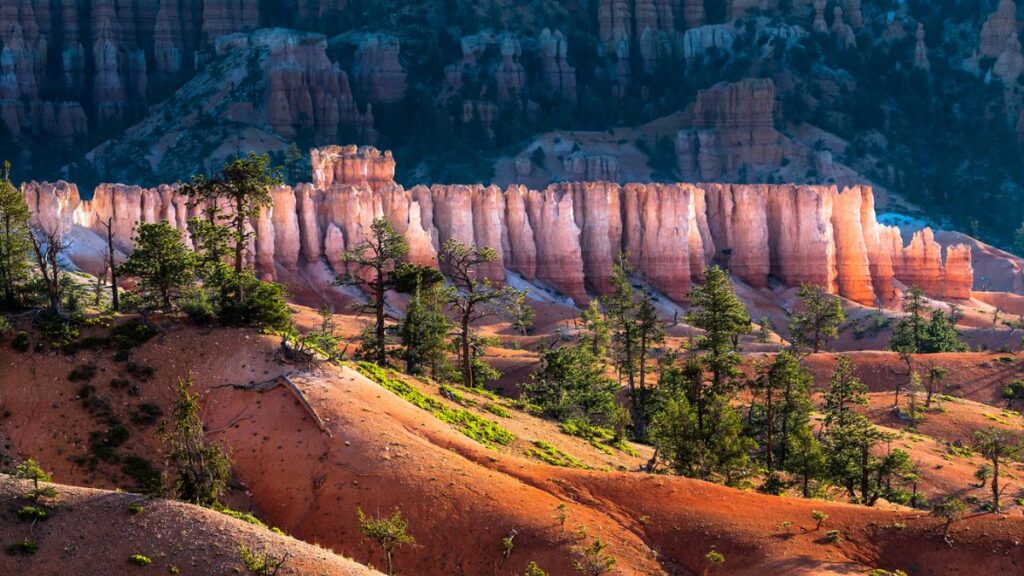
Summer is the season when America’s national parks show off their full range. Snow melts off the high passes, roads that stay closed for months finally open, and long daylight hours give travelers extra time to explore.
With more than 60 national parks scattered across the country, picking where to go can feel overwhelming. Here are nine parks that truly come alive between June and August, along with the trails, drives, and views that make each one worth the trip.
Yellowstone and Grand Teton Bring the Rockies to Life
Yellowstone National Park spreads across Wyoming, Montana, and Idaho, and summer is when every part of it opens up. The Grand Loop Road connects the park’s geyser basins, hot springs, and overlooks, and high-elevation spots like Dunraven Pass are only reachable once the snow clears.
Old Faithful still draws crowds, but quieter trails such as Lone Star Geyser or the Wapiti Lake area lead hikers past forests and backcountry lakes without the same foot traffic. Wildlife watchers head to the Lamar Valley in the northeast corner, where bears and wolves can sometimes be spotted from a distance with spotting scopes.
Just south of Yellowstone, Grand Teton National Park packs an entire mountain range into a much smaller footprint. The peaks rise straight out of the valley floor with no foothills in between, which makes for some of the most striking scenery in the Rockies. Summer visitors can hike into Cascade Canyon, paddle across Jenny Lake, or take a float trip down the Snake River while watching for moose, otters, and bald eagles along the banks. For a quieter alternative to the Jenny Lake shuttle boat, many hikers start at the String Lake trailhead and walk to Hidden Falls and Inspiration Point instead.
Yosemite and Rocky Mountain Open Their High Country
Yosemite National Park in California’s Sierra Nevada is known for its granite walls and waterfalls, but summer is when the park truly expands. Tioga Road typically opens in early summer, unlocking Tuolumne Meadows and a network of quieter, high elevation trails far from the crowds in Yosemite Valley. It is also the season when the cables go up on Half Dome, allowing for the park’s most famous full day hike. Between the valley floor and the alpine meadows above, Yosemite offers a huge range of scenery within a single park.
Rocky Mountain National Park in Colorado takes visitors even higher, with roads and trails climbing past 12,000 feet. Trail Ridge Road, one of the most scenic drives in the country, usually stays open end to end only during the warmer months.
Wildflowers peak in the alpine meadows during mid to late summer, and popular hikes near Bear Lake lead to a string of smaller lakes, including Nymph, Dream, and Emerald. Timed entry is often required at the busiest trailheads, so planning ahead helps visitors avoid disappointment once they arrive.
Glacier and Zion Offer Dramatic Landscapes in Peak Season
Glacier National Park in Montana starts its summer season a little later than most, since snow can linger at higher elevations well into July. That slower start actually works in visitors’ favor, keeping the early summer hikes cooler and more comfortable. By mid to late summer, the famous Going to the Sun Road is fully open, and trails like Grinnell Glacier and Hidden Lake Overlook reveal alpine lakes and passes that stay buried the rest of the year.
The Many Glacier area, with its turquoise lakes and surrounding peaks, is often singled out as the most rewarding section of the park, and boat tours there make it easy to reach trailheads without a long approach hike.
Zion National Park in Utah takes on a different kind of glow in summer. The park is often praised for its winter visits, but the warm months bring dry, predictable conditions that make canyon hiking straightforward.
Every shuttle route and overlook is running at full capacity, and water levels are typically low enough to hike into The Narrows, where the trail runs directly through the river between towering canyon walls. Long daylight hours also mean visitors have more flexibility to spread out sightseeing across morning and evening light, when the red rock formations look their best.
Acadia and Olympic Deliver Coastal Summer Adventures
On the coast of Maine, Acadia National Park packs woods, lakes, and rocky shoreline into a compact space, which makes it easy to fit several kinds of scenery into a single day. Cadillac Mountain is the classic spot for sunrise, and since summer is the park’s driest stretch of the year, clear morning views are more likely than during foggier seasons.
Cyclists use the historic carriage roads to move between ponds and overlooks, while hikers looking for a challenge take on the Precipice Trail, which involves scrambling and iron rungs along an exposed cliffside route. Afterward, many visitors cool off at Sand Beach or stop by Jordan Pond for the local popovers.
Olympic National Park in Washington covers rainforest, alpine ridges, and rugged beaches, though these sections are spread far enough apart that getting between them takes real driving time. That distance also keeps many corners of the park quieter than its overall visitor numbers might suggest. Hurricane Ridge usually clears of snow in summer, opening up higher elevation trails with sweeping views, while the coastal areas become easier to explore thanks to longer days and calmer weather. Popular day hikes include Marymere Falls and the Hoh Rain Forest’s Hall of Mosses, both of which show off the park’s temperate rainforest in a short walk.
Grand Canyon Shines With Long Summer Days
Grand Canyon National Park in Arizona is one of the only times of year when both rims are open at once, since the North Rim only operates on a short seasonal schedule. Summer tends to bring the most stable weather of that window, with a lower chance of the storms that sometimes roll through later in the fall.
Long daylight hours give visitors extra time to catch the canyon’s rock layers in changing light, whether that means an early sunrise at the South Rim or a sunset drive along the rim road. Shuttle routes help manage the summer crowds, and starting hikes early in the day is the best way to beat both the heat and the busiest hours on the trails.
FAQs
What is the best time of day to visit these parks in summer?
Early morning and late afternoon generally offer cooler temperatures, softer light for photos, and better odds of spotting wildlife, since many animals are more active near dawn and dusk.
Do I need reservations to visit these parks in summer?
Several parks, including Rocky Mountain and parts of Yosemite, use timed entry systems during peak summer months, so it is worth checking each park’s website before planning a trip.
Which of these parks are good for a combined road trip?
Yellowstone and Grand Teton sit close enough together that many travelers visit both in a single trip, and Zion pairs well with a broader loop through nearby canyon country parks like Bryce and the Grand Canyon.
Are these parks crowded in summer?
Yes, summer is peak season for nearly all of them, but arriving early, using shuttle systems where available, and choosing less famous trails can help visitors avoid the heaviest crowds.
What should I pack for a summer trip to these parks?
Sunscreen, sturdy hiking shoes, a refillable water bottle, and a light jacket are all worth bringing, since weather at higher elevations can shift quickly even on a warm day.