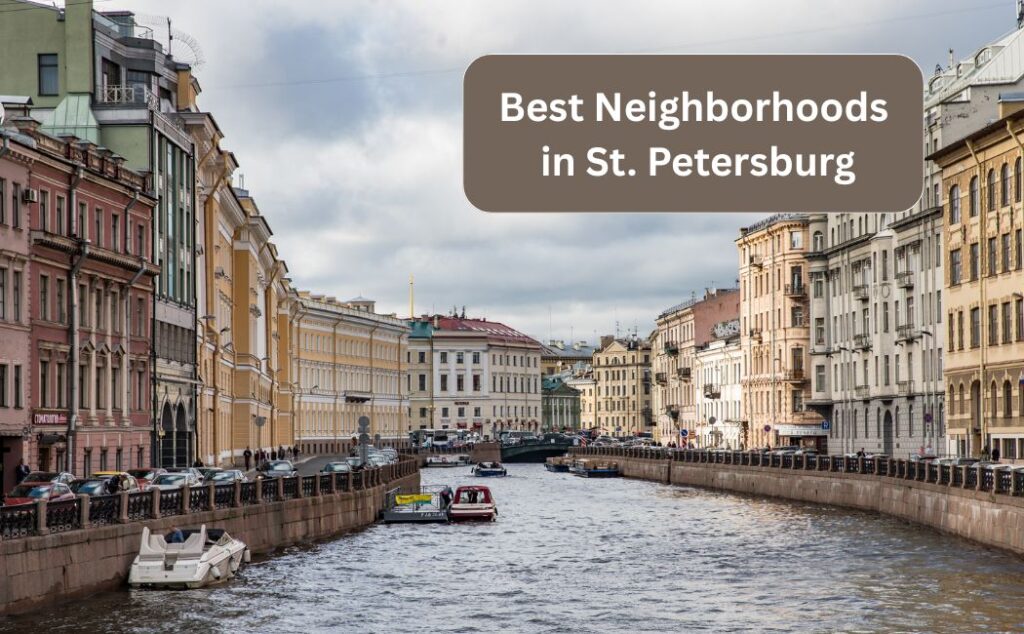
St. Petersburg’s best neighborhoods each have a completely distinct personality. Downtown St. Pete (ZIP: 33701) for walkable urban energy and the arts scene. Old Northeast (ZIP: 33704) for historic charm and coffee pot bayou walks. Historic Kenwood (ZIP: 33711) is a creative community and a genuine value. Snell Isle (ZIP: 33704) for waterfront prestige. Grand Central District (ZIP: 33712) for the restaurant and mural culture that makes St. Pete genuinely interesting. This guide covers all of them — from someone who visits regularly as a Sarasota local, not someone trying to sell you a house.
Let me be upfront about who I am in this comparison: I live in Sarasota, not St. Pete. I am thirty minutes south on I-275, and I drive to St. Petersburg regularly for exactly the reasons most people are searching this topic — to understand which part of this genuinely remarkable city is worth my time.
I’ve written about Sarasota vs St. Pete on this blog — the full city comparison, the beach differences, the vibe distinction. What I want to do here is go deeper. Because St. Petersburg is not one place. It’s a collection of genuinely distinct neighborhoods with their own characters, their own price points, their own answers to the question of what kind of life you want to build or what kind of trip you want to have.
Every guide I’ve read on “best neighborhoods in St. Pete” is written by a real estate agent who wants to sell you a house. That’s a perfectly legitimate goal. It’s just not the same as telling you which neighborhood you’ll actually love.
This is the lifestyle version. The one that tells you where to walk, where to eat, what the streets actually feel like in the morning, and which part of St. Pete fits which version of what you’re looking for.
Why St. Petersburg Deserves More Credit Than It Gets
St. Petersburg has undergone one of the most remarkable transformations of any mid-size American city in the past fifteen years — and it’s still in the middle of it.
St. Petersburg has transformed from Tampa’s quieter neighbor into one of the most sought-after cities in Florida. The downtown waterfront, world-class museums (the Dalí, the Imagine Museum, the Museum of Fine Arts), a nationally recognized food scene, and miles of bayfront parks and trails have turned St. Pete into a destination that draws buyers from across the country.
From a visitor’s perspective, what this transformation has produced is a city that actually functions as a city — walkable in its core, interesting in its neighborhoods, beautiful on its waterfront, and distinctive in its culture in a way that Florida cities of comparable size often aren’t. The street art alone — murals covering entire building facades across dozens of blocks — gives St. Pete a visual identity that’s genuinely rare.
St. Petersburg continues to be one of the most talked-about real estate markets in the Tampa Bay area in 2026, with a median home price of around $374,000 to $449,000, depending on the area, offering something for every type of buyer.
And for visitors rather than buyers: this is a city worth spending two or three days in properly, not just passing through on the way to Clearwater Beach.
The Full Neighborhood Breakdown
1. Downtown St. Pete — The Beating Heart
ZIP Code: 33701 Walk Score: 92 (Walker’s Paradise) Vibe: Urban, energetic, arts-forward, young-professional dominant Home prices: $400,000–$1.5M+
Downtown St. Petersburg is the most walkable area in the city, with Walk Scores above 90 and true walk-to access to restaurants, parks, waterfront trails, museums, and nightlife.
Downtown St. Pete is where the transformation is most visible and most complete. Central Avenue — the main commercial artery — runs east-west through the city’s core and contains more genuinely interesting blocks per mile than almost any comparable street in Florida. Independent restaurants, coffee shops that double as art galleries, record stores, vintage boutiques, mural after mural after mural. The street energy here is real, not manufactured for tourism.
The cultural anchors are world-class: the Salvador Dalí Museum (the largest collection of Dalí’s work outside of Europe, in a stunning building with a geodesic glass atrium), the Museum of Fine Arts, the Imagine Museum dedicated to contemporary studio glass, and the Florida Holocaust Museum. The St. Pete Pier — completely rebuilt and reopened in 2020 — extends 26 acres over Tampa Bay with restaurants, an aquarium, kayak launches, and views of the downtown skyline that are among the finest in the region.
Downtown St. Petersburg is bustling and walkable with boutique shops, trendy restaurants, murals, and cultural attractions like the Dalí Museum and St. Pete Pier.
For visitors specifically, Downtown St. Pete is where you want to be based. Everything that makes the city worth visiting is walkable from the core. The waterfront is minutes away. The food scene is dense and excellent. And the nightlife — the rooftop bars, the live music venues, the Friday Gallery Walk that draws thousands of residents monthly — extends well past the hour most Gulf Coast beach towns call it a night.
Best for: Young professionals, visitors who want a walkable urban experience, arts enthusiasts, anyone who wants the full cultural St. Pete experience without a car
Hannah’s honest take: Downtown St. Pete is the reason I drive up from Sarasota. The specific combination of walkable city grid + waterfront + serious arts infrastructure + an actually interesting restaurant and bar scene is something Sarasota — which I love deeply — doesn’t quite replicate. I come here when I want to feel like I’m in a city that’s figuring out what it wants to become. That energy is specific and genuinely exciting.
2. Old Northeast — The Historic Gem
ZIP Code: 33704 Vibe: Architectural, walkable, established, community-oriented Home prices: $500,000–$1.2M
Old Northeast is St. Petersburg’s premier historic neighborhood and one of the most architecturally significant residential areas in Florida. Tree-canopied streets are lined with Mediterranean Revival, Craftsman, Colonial Revival, and mid-century homes, many meticulously maintained or thoughtfully restored. The neighborhood sits between downtown and the bay, offering walkability to both the urban core and Coffee Pot Bayou’s waterfront. Old Northeast is where St. Pete’s history, character, and location converge.
Old Northeast sits just north of Downtown and is, by most measures, the most beautiful residential neighborhood in St. Petersburg. The streets here are brick-lined and tree-canopied, the houses are genuinely varied and architecturally interesting, and Coffee Pot Bayou — a tidal inlet on the eastern edge of the neighborhood — provides waterfront access and walking paths that feel a world away from the urban energy of Central Avenue twelve blocks south.
The neighborhood is walkable to everything Downtown offers while maintaining a residential quietness and architectural integrity that Downtown high-rises don’t have. Morning coffee at a café on Beach Drive North. An evening walk along the bayou. Dinner downtown fifteen minutes away on foot.
Old Northeast remains the most consistently desirable neighborhood in St. Pete due to its historic charm, walkability, and proximity to downtown.
Best for: People who want established neighborhood character, architectural beauty, and the ability to walk to both the bay and downtown. Families who value the specific quality of mature-tree, brick-street residential living.
Hannah’s honest take: Old Northeast reminds me of the best parts of Atlanta’s Inman Park — that sense of walking down streets that were designed to be lived on rather than built for efficiency, where the houses have actual stories, and the trees have been there since before you were born. It’s the neighborhood I’d choose if I were moving to St. Pete.
3. Historic Kenwood — The Creative Neighborhood
ZIP Code: 33711 Vibe: Artsy, LGBTQ+-friendly, bungalow-dense, community garden culture Home prices: $300,000–$550,000
Historic Kenwood is the neighborhood that genuinely creative people — artists, musicians, writers, the people who made the city interesting before the city became well-known — chose and built into one of St. Pete’s most distinctive communities. The housing stock is bungalows, almost entirely compact, character-filled Craftsman and Florida vernacular houses from the 1920s through 1940s on streets with sidewalks and neighbors who actually know each other.
Historic Kenwood and Live Oaks generally offer more affordability compared to Old Northeast and Snell Isle, while still providing excellent access to downtown and lifestyle amenities.
The neighborhood has Florida’s first officially designated “bungalow preservation district,” — which means the character here is protected rather than subject to teardown-and-rebuild development pressure. Community gardens are an active part of neighborhood culture. The LGBTQ+ community has been foundational to Kenwood’s character for decades, and the resulting inclusivity and creative energy is embedded in how the neighborhood feels.
Grand Central District — the commercial corridor bordering Kenwood — is where some of St. Pete’s best independent restaurants and bars have located themselves: Intermezzo, Bodega, the Red Mesa cantina, and the Morean Arts Center’s studios. The combined Kenwood + Grand Central geography gives you neighborhood character plus a walkable dining and culture scene at prices significantly below Downtown.
Best for: Creative people, first-time buyers who want character over size, anyone priced out of Old Northeast who wants genuine neighborhood feel, LGBTQ+ travelers and residents
Hannah’s honest take: Kenwood is where I go when I want to understand what St. Pete’s identity actually is, rather than what it looks like to visitors. The community garden on 22nd Avenue North, where neighbors have been growing food together for years. The murals that were painted by people who live there, rather than commissioned for tourism. This is the authentic St. Pete.
4. Grand Central District — Food, Murals, and Central Avenue Energy
ZIP Code: 33712 Vibe: Eclectic, foodie-forward, gallery culture, neighborhood bar scene Home prices: $280,000–$500,000
Grand Central District is a top pick for culture seekers, known for its arts, dining, and walkable access to Central Avenue’s best independent restaurants and bars.
Grand Central is the commercial and cultural bridge between Downtown’s denser urban energy and Kenwood’s residential character. Central Avenue runs right through it, and this is the stretch of Central Avenue where the murals are densest, the restaurants are most adventurous, and the neighborhood still feels like it belongs to people who live there rather than people who visit.
The food scene specifically: Bodega on Central is a Cuban-influenced sandwich and cocktail bar that has become a St. Pete institution. 3 Daughters Brewing is a craft brewery, a few blocks south, that helped put St. Pete on the national craft beer map. The independent restaurants along this stretch cover an unusual range — Vietnamese, elevated American, dive bars with excellent kitchens, coffee shops with serious espresso programs — in a geographic concentration that would be impressive in a city five times the size.
The mural culture here is the most developed in the city. Some of the most photographed public art in Florida lives on the walls of Grand Central, and the walkable mural route through the neighborhood is genuinely worth a full afternoon.
Best for: Food and beverage enthusiasts, people who want creative neighborhood energy at accessible price points, visitors who want the arts and culture side of St. Pete beyond the museum core
Hannah’s honest take: I’ve eaten my way through Grand Central more times than I should probably admit. If someone asks me where to spend an afternoon in St. Pete that isn’t the Dalí Museum, this is my answer. Walk Central Avenue, find a wall that stops you, eat at whatever looks most interesting, repeat.
5. Snell Isle — Waterfront Prestige
ZIP Code: 33704 Vibe: Quiet luxury, waterfront, established wealth, private feel Home prices: $800,000–$3M+
Snell Isle is the most prestigious waterfront neighborhood in St. Pete, offering luxury waterfront estates and a quiet, exclusive character distinct from the more urban core.
Snell Isle is St. Pete’s luxury waterfront address — a small peninsula of waterfront homes between Old Northeast and the bay, connected to the mainland by a single bridge. The neighborhood was developed in the 1920s as an upscale residential community and has maintained that character through careful attention to architectural quality and deliberate resistance to high-density development.
The homes here are substantial — Mediterranean Revival estates, mid-century waterfront properties with private docks, contemporary builds that replaced older structures — and the neighborhood’s position on Tampa Bay means boat access to the broader bay and Gulf corridor is part of the lifestyle package for many residents.
For visitors, Snell Isle is less relevant as a base than as a destination for a morning walk — the bayfront paths, the views across the water to downtown, and the architectural quality of the streetscape make it worth the detour from Old Northeast.
Best for: Luxury buyers who want waterfront living with proximity to downtown. Full-time residents or seasonal buyers, rather than short-term visitors.
6. Shore Acres — Waterfront Access at Relative Value
ZIP Code: 33702 Vibe: Residential, canal-front, water-oriented, family-friendly Home prices: $350,000–$700,000
Shore Acres sits northeast of downtown on the edge of Tampa Bay and the Old Tampa Bay inlet — a neighborhood of canal-front homes, many with private docks, where the boating lifestyle is literally built into the architecture. The houses aren’t as architecturally significant as Old Northeast or as prestigious as Snell Isle, but the water access-to-price ratio is genuinely compelling, and the neighborhood’s proximity to both downtown and the bay’s recreational boating makes it one of the more practically livable parts of the city for water-oriented residents.
Coquina Key remains one of the best places to secure waterfront living without the $2M+ price tag found in other coastal neighborhoods, with canals, open-water views, and rising demand.
Best for: Boaters and water-sports enthusiasts who want to live on the water without the Snell Isle price point. Families who want suburban-scale lots with water access.
7. Old Southeast — The Bay-Side Hidden Gem
ZIP Code: 33701 / 33705 Vibe: Quiet, residential, bay-adjacent, slightly-under-the-radar Home prices: $350,000–$650,000
Old Southeast is a lesser-known gem right off the shore of Tampa Bay, minutes from Lassing Park on the eastern side of the neighborhood. Prospective homeowners and renters can choose from single-family bungalows and American Foursquare homes on beautiful red brick streets, with well-maintained yards and lush vegetation.
Old Southeast is the neighborhood that serious St. Pete insiders mention when asked what’s underrated — a residential area of bungalows and Foursquare homes on brick streets south of downtown, with direct access to Lassing Park on Tampa Bay and a quieter character than Old Northeast without sacrificing walkability to the urban core.
The park access specifically makes Old Southeast distinctive for active residents: 14.2 acres of bayfront green space with walking trails, fishing piers, picnic areas, and the kind of morning light over Tampa Bay that makes you stop mid-jog and just look. It’s the neighborhood for people who want to be close to everything but live in a place that feels removed from it.
Best for: Buyers who want Old Northeast character at slightly lower prices, bay access, and a quieter residential feel. University of South Florida St. Pete students and faculty.
8. Crescent Lake — The Family Neighborhood With the Best Park
ZIP Code: 33704 Vibe: Family-oriented, park-centered, walkable, community-minded Home prices: $400,000–$750,000
Crescent Lake takes its name from the actual crescent-shaped lake at its center — a genuine freshwater lake in the middle of an urban neighborhood, surrounded by a park with walking trails, picnic areas, a playground, and the kind of community gathering space that neighborhoods with it feel categorically better than those without.
The housing stock is primarily Craftsman bungalows from the 1920s–40s, similar to Kenwood but slightly more established in feel. The park creates a natural gathering point that gives Crescent Lake a community cohesion some larger neighborhoods lack — the kind of place where parents know each other from the playground and neighbors wave.
Lakewood Estates, Live Oaks, and Old Northeast are popular among families thanks to larger lots, parks, walkability, and access to schools. Old Northeast and Coquina Key are top picks for retirees seeking walkability, scenery, and low-maintenance living.
Best for: Families with young children, buyers who want bungalow character with a park-centered neighborhood feel, people who prioritize walkable community life over urban energy.
St. Pete Neighborhoods at a Glance
| Neighborhood | ZIP | Vibe | Home Price Range | Best For |
|---|---|---|---|---|
| Downtown St. Pete | 33701 | Urban, walkable, arts | $400K–$1.5M+ | Visitors, young professionals, arts lovers |
| Old Northeast | 33704 | Historic, charming, bay | $500K–$1.2M | Families, history lovers, architectural enthusiasts |
| Historic Kenwood | 33711 | Creative, bungalow, LGBTQ+ | $300K–$550K | Artists, first buyers, value seekers |
| Grand Central | 33712 | Food, murals, Central Ave | $280K–$500K | Foodies, culture seekers, creatives |
| Snell Isle | 33704 | Luxury waterfront, quiet | $800K–$3M+ | Luxury buyers, boaters, affluent retirees |
| Shore Acres | 33702 | Canal-front, family | $350K–$700K | Boaters, families, water access seekers |
| Old Southeast | 33701/33705 | Quiet, bay-adjacent | $350K–$650K | Insiders, USF community, value seekers |
| Crescent Lake | 33704 | Park-centered, family | $400K–$750K | Families, community-minded buyers |
Where to Stay as a Visitor in St. Pete
Since most guides are written for people buying homes, let me address the visitor question directly — because the neighborhood you stay in shapes your entire St. Pete experience.
Stay Downtown if you want to walk everywhere — the Dalí Museum, the Pier, Central Avenue restaurants, the Friday Gallery Walk, the waterfront — all within walking distance. This is where most hotels concentrate, and the walkability premium is genuinely worth it.
Stay in the Old Northeast / Beach Drive area if you want a quieter residential experience with the ability to walk downtown in twenty minutes — the boutique bed-and-breakfast style accommodation here has a character that Downtown hotels lack.
The Vinoy Renaissance on Beach Drive North is the landmark historic hotel — a 1925 Mediterranean Revival building that has been meticulously restored and sits on the bayfront between Downtown and Old Northeast. It’s expensive and genuinely worth it for a special occasion.
Frequently Asked Questions
Q: What is the best neighborhood in St. Petersburg Florida?
A: For visitors: Downtown St. Pete (ZIP 33701) for walkability and arts. For residents: Old Northeast (ZIP 33704) for historic charm and bay access. For value: Historic Kenwood (ZIP 33711) for bungalow character at lower prices.
Q: What are the St. Petersburg Florida zip codes?
A: The main St. Pete zip codes by neighborhood: Downtown (33701), Old Northeast and Snell Isle (33704), Historic Kenwood and Grand Central (33711-33712), Shore Acres and northeast areas (33702), Old Southeast (33705), and South St. Pete (33707-33711). Each zip code has a distinct neighborhood character.
Q: Is St. Petersburg FL a good place to live?
A: Yes — consistently ranked among Florida’s most livable mid-size cities. Walkable downtown, world-class arts scene, waterfront access, and a food culture that punches well above its population size. The downtown waterfront, world-class museums, a nationally recognized food scene, and miles of bayfront parks have turned St. Pete into a destination that draws buyers from across the country.
Q: What is the safest neighborhood in St. Pete FL?
A: Old Northeast, Snell Isle, and Crescent Lake consistently rank as the safest neighborhoods. Downtown safety varies by block — the waterfront and Beach Drive corridor are well-maintained, while some areas south of Central Avenue require more awareness.
Q: What is the most walkable neighborhood in St. Pete?
A: Downtown St. Petersburg has a Walk Score of 92 — a Walker’s Paradise. Other highly walkable neighborhoods include Historic Old Northeast, Historic Kenwood, and the Grand Central District.
Q: Where do the locals hang out in St. Pete?
A: Central Avenue in the Grand Central District for food and bars. Coffee Pot Bayou in Old Northeast for morning walks. 3 Daughters Brewing and Bodega for casual evenings. The Friday Gallery Walk monthly on Beach Drive. Crescent Lake Park on weekends.
Q: How far is St. Pete from Sarasota?
A: About 60 miles — roughly 60–75 minutes on I-275 South. An easy and genuinely scenic drive, especially once you cross the Sunshine Skyway Bridge with Tampa Bay stretching to both horizons. See the full Sarasota vs St. Pete comparison for the complete picture of both cities.
Q: What is St. Pete famous for?
A: The Dalí Museum (largest collection outside Europe), a nationally recognized food scene, the Central Avenue street art and mural culture, the St. Pete Pier, craft brewing, and one of the most vibrant LGBTQ+-friendly communities in Florida. Visitors can view rotating exhibits of work by surrealist artist Salvador Dalí at the Dalí Museum, catch a show at American Stage Theatre, and enjoy great live music at Jannus Live.
Q: Is St. Pete good for a day trip from Sarasota?
A: Absolutely — one of the best day trips available from the Sarasota area. Drive the Sunshine Skyway, spend the morning at the Dalí Museum, walk Central Avenue for lunch, browse the Gallery Walk or the Pier in the afternoon, and drive home in the evening. The Sarasota first-timer’s itinerary covers the surrounding area, and the Sarasota vs St. Pete guide has the full day-trip strategy.
Final Thoughts
St. Petersburg is not one city. It’s eight or ten genuinely distinct neighborhoods, each with its own architecture, its own rhythm, its own answer to what a good life looks like in Florida.
The real estate guides will tell you about square footage and median prices. What they can’t tell you is what it feels like to walk Coffee Pot Bayou at 7 AM in Old Northeast, or find a new mural on Central Avenue in the Grand Central District that makes you stop mid-stride, or sit on the St. Pete Pier at sunset with the downtown skyline behind you and the bay ahead.
That’s the city. The neighborhoods are just where you stand when you find them.

Welcome to my blog!
Meet Hannah Katherine, the creative voice behind Lifestyle, a blog dedicated to finding beauty and balance in everyday living. A former interior stylist turned full-time content creator, Sophie blends her love for cozy home design, mindful travel, and self-care into heartfelt stories that inspire readers to slow down and savor the little moments..