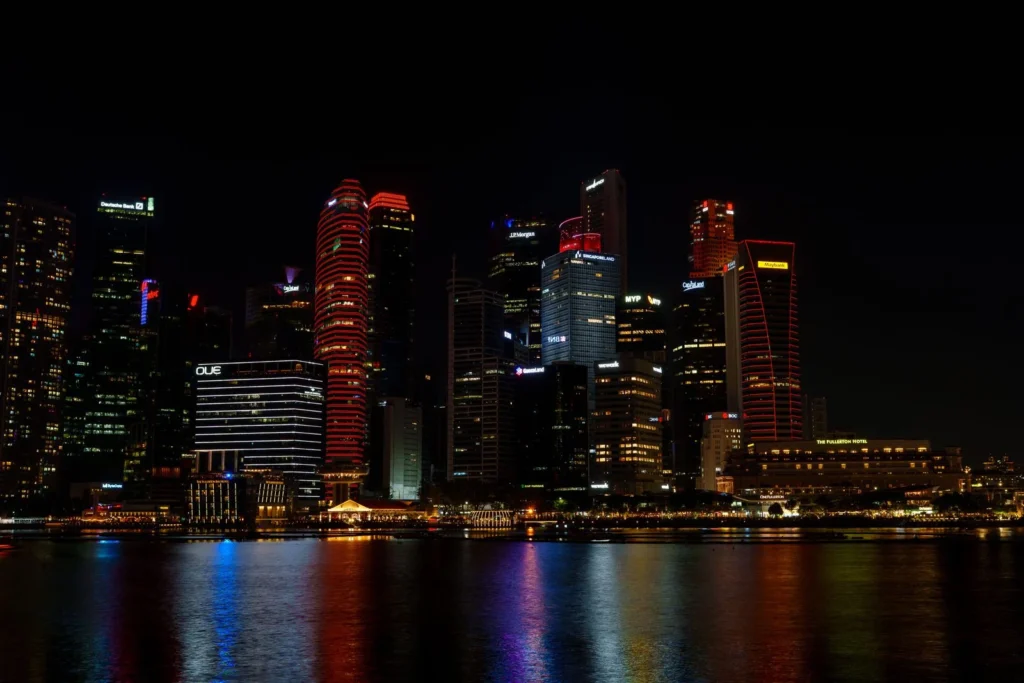
Singapore glitters with wealth. Glass towers pierce the sky, luxury cars line the streets, and designer boutiques overflow with customers. Yet beneath this glittering surface lies a troubling paradox: as millionaires multiply, so do cases of depression, anxiety, and burnout.
New data reveals that roughly one in six Singapore households now holds at least US$1 million in investable assets—making the city-state Asia’s millionaire capital. But here’s the uncomfortable truth that wealth managers rarely mention: money isn’t buying happiness or mental peace in the way most people expect.
What Singapore’s mental health crisis is actually telling us is far more complex than simple materialism. It suggests that rapid wealth accumulation, without the right mindset and support systems, might actually be making people sicker.
The Millionaire Explosion Nobody Predicted
Singapore’s transformation from trading port to financial hub has been remarkably swift. In just two decades, the proportion of millionaire households has skyrocketed. Today, the island nation boasts the highest concentration of high-net-worth individuals in Asia, outpacing Hong Kong, Tokyo, and Shanghai by a significant margin.
This isn’t a sign of a few lucky billionaires hoarding wealth. Instead, it reflects a broad-based prosperity created by rising property values, strong financial markets, and professional salaries that dwarf those in neighboring countries. A couple working in banking, tech, or law can easily accumulate seven figures by their mid-forties.
The wealth is real, the opportunities genuine, and the achievement undeniable. Yet something vital is being lost in the rush upward.
| Metric | Singapore | Hong Kong | Tokyo |
|---|---|---|---|
| Millionaire Households (proportion) | 1 in 6 | 1 in 8 | 1 in 9 |
| Average Household Net Worth (USD) | $870,000 | $650,000 | $540,000 |
| Mental Health Crisis Index (relative) | High | Moderate-High | Moderate |
The Mental Health Crisis Nobody’s Talking About
While Singapore celebrates its economic achievements, mental health professionals are witnessing a different story in their clinics and hospitals. Rates of major depressive disorder, anxiety disorders, and burnout-related conditions have climbed steadily over the past decade, even as wealth has increased.
A 2023 mental health survey found that roughly 16% of Singapore’s adult population experiences a mental health condition in any given year. Among millionaires specifically, the proportion is even higher—approaching 20% when you include subclinical anxiety and stress-related disorders.
Dr. Sarah Chen, a clinical psychologist specializing in high-net-worth individuals, has noticed a striking pattern: “The wealthier the client, the more likely they are to report feeling hollow despite their success. They’ve achieved everything they thought would make them happy, and it hasn’t.”
“The wealthier the client, the more likely they are to report feeling hollow despite their success. They’ve achieved everything they thought would make them happy, and it hasn’t.” — Dr. Sarah Chen, Clinical Psychologist
The Wealth Treadmill: Always Running, Never Arriving
One of Singapore’s most insidious psychological traps is what researchers call “hedonic adaptation.” In simple terms: once you have a million dollars, you adjust. A US$5 million house feels normal. A US$50,000 annual vacation becomes expected. The goalposts keep moving.
This creates a relentless treadmill effect. Professionals work longer hours to maintain their millionaire status, not realizing that they’re chasing a moving target. A banker earning US$500,000 annually feels poor compared to peers earning US$2 million. A family with US$3 million in assets feels behind when neighbors boast US$10 million.
The pressure intensifies because, in Singapore’s meritocratic culture, wealth is seen as a direct reflection of talent and worth. Losing money—or merely failing to grow it exponentially—feels like personal failure. This translates directly into anxiety and depression among the wealthy.
“Singapore’s culture conflates net worth with net value as a human being. That’s a recipe for psychological disaster.” — Prof. Michael Tan, Sociologist, National University of Singapore
Work Culture: The Hidden Killer in Paradise
Singapore’s millionaires didn’t become millionaires by working normal hours. Most achieved their wealth through punishing work schedules—12-hour days, weekends devoted to deals, vacation time that’s really “working remotely by the beach.”
The problem: many never stopped. Even after achieving financial independence, the work culture persists. Identity becomes intertwined with professional status. A retired executive struggles with depression not because they lack money, but because they lack purpose and the social validation their job once provided.
Burnout isn’t a status symbol, yet in Singapore it’s worn almost like one. “I’m so busy, I barely sleep” becomes a badge of honor. This culture has created a silent epidemic of exhaustion among those who can theoretically afford to rest.
| Work-Related Mental Health Issues | Percentage of Millionaires Affected | Primary Symptom |
|---|---|---|
| Chronic Burnout | 34% | Exhaustion despite high income |
| Work-Related Anxiety | 28% | Fear of losing status/wealth |
| Sleep Disorders | 41% | Insomnia from work stress |
| Depression with Burnout Component | 19% | Loss of meaning beyond work |
The Isolation of Having Everything
Paradoxically, millionaires in Singapore often experience profound loneliness. Those with significant wealth must constantly wonder: do people like me for me, or for my money? Can I trust this friendship? Is my spouse with me out of love or financial security?
These questions create emotional isolation even amid a bustling social calendar. Many wealthy Singaporeans report having many acquaintances but few genuine friends. They attend countless dinners and events, but rarely have conversations about what truly troubles them.
Additionally, there’s a social awkwardness about discussing mental health struggles when you’re perceived to have everything. A millionaire admitting to depression faces skepticism: “But you have everything! What could you possibly be sad about?” This invalidation makes seeking help feel shameful.
“When you’re wealthy, admitting to mental illness feels like admitting to character weakness. In Singapore’s achievement-focused culture, that’s deeply stigmatizing.” — Dr. Rachel Lim, Psychiatrist and Wellness Coach
What Money Is Actually Buying: A Recalibration
This isn’t an argument that wealth doesn’t matter. Research clearly shows that having enough money to cover basic needs dramatically improves mental health. The problem emerges beyond that threshold—roughly US$150,000 to US$200,000 in annual household income in Singapore’s context.
What wealth is actually buying for Singapore’s millionaires isn’t happiness or fulfillment. Instead, it’s purchasing options, comfort, and the freedom from certain stressors. A millionaire doesn’t worry about paying rent or affording medical care. That’s genuinely valuable.
But options and comfort don’t provide meaning, purpose, or genuine relationships. Those require different work—psychological, spiritual, and emotional work that money can’t outsource. Many high-net-worth Singaporeans have never developed these capacities because they’ve been too busy making money.
Breaking the Cycle: What Millionaires Are Actually Doing
Some of Singapore’s wealthier residents are beginning to recognize this pattern and take steps. A growing segment is deliberately stepping back from high-intensity careers, even when they could continue climbing. Others are investing heavily in therapy, meditation practices, and life coaching.
There’s also a quiet movement toward what researchers call “purpose-driven wealth.” Some millionaires are finding genuine fulfillment through philanthropy, mentoring younger professionals, or pivoting to work they find meaningful—even if it pays less than their previous roles.
The most psychologically healthy wealthy Singaporeans share common traits: they’ve actively worked to separate identity from net worth, they maintain relationships from before they became wealthy, they set boundaries around work, and they engage in regular practices that ground them in meaning beyond money.
“The millionaires I see who are genuinely happy have all done the same thing: they’ve learned to say no. No to the next promotion, no to the bigger house, no to the relentless comparison game.” — Michael Wong, Wealth Psychologist
The Question Singapore Needs to Answer
Singapore’s achievement in creating unprecedented wealth is real and remarkable. But the mental health data suggests a critical question: what’s the point of becoming a millionaire if the process of getting there—and the psychological cost of maintaining that status—leaves you depleted and unfulfilled?
The city-state has excelled at external metrics: GDP growth, property values, stock market indices. It’s time to focus equally on internal metrics: life satisfaction, relationship quality, sense of purpose, and psychological resilience among its most successful citizens.
The skyline glitters, the numbers are impressive, but the human cost deserves a hard look. Singapore’s next challenge isn’t creating more millionaires—it’s ensuring that those millionaires actually enjoy their wealth.
FAQ: Understanding Wealth and Mental Health in Singapore
Why are wealthy Singaporeans experiencing higher rates of mental health issues if they can afford help?
Having access to therapy and resources doesn’t automatically solve deep issues like identity confusion, burnout, or existential emptiness. Many wealthy individuals also delay seeking help due to shame and stigma around mental illness when they’re perceived to “have it all.”
Is the problem unique to Singapore, or do other wealthy cities experience this too?
Similar patterns exist in Hong Kong, Dubai, and parts of London and New York. However, Singapore’s particular blend of high cost of living, intense meritocratic culture, and rapid wealth accumulation makes the psychological pressures especially acute.
What is “hedonic adaptation” and how does it affect millionaires?
Hedonic adaptation is the psychological phenomenon where people adjust to improvements in circumstances and return to baseline happiness levels. A new luxury purchase or higher salary feels exciting for weeks, then feels normal. This creates an endless treadmill of chasing the next achievement.
How much money is actually needed to feel secure in Singapore?
Research suggests that around US$500,000 to US$1 million in liquid assets, combined with stable income, provides genuine financial security for a family in Singapore. Beyond that, additional wealth has diminishing returns on psychological wellbeing.
Why do successful professionals continue working despite having millions?
Identity, purpose, social status, and the fear of irrelevance drive continued work. Many high-achieving individuals have built their entire sense of self around their career. Stepping back feels like losing themselves.
What practical steps can wealthy Singaporeans take to improve their mental health?
Key strategies include: setting boundaries around work, deliberately maintaining relationships from before wealth, engaging in regular therapy or coaching, pursuing meaningful activities beyond money-making, practicing mindfulness, and consciously redefining success beyond financial metrics.
Is therapy effective for wealthy people with mental health issues?
Yes, but therapists must specifically address the unique challenges of wealth: identity, comparison, isolation, and purpose. Standard therapy approaches may not adequately address these specific pressures.
How can Singapore’s culture shift to value wellbeing alongside wealth?
This requires education initiatives, workplace policy changes that reduce burnout, public conversations by successful figures who’ve stepped back, and reframing success to include happiness and relationships alongside financial achievement.
Are younger millionaires in Singapore experiencing different mental health challenges?
Yes. Younger millionaires often face additional pressure from social media, making their wealth visible and subject to comparison. They also struggle with imposter syndrome and pressure to continuously increase their wealth.
What’s the relationship between perfectionism and mental illness in wealthy Singaporeans?
Perfectionism is extremely common among those who’ve achieved high net worth—it’s often what drove their success. However, perfectionism strongly predicts anxiety and depression, creating a vicious cycle where the traits that made you successful are now making you sick.
Can philanthropy or “giving back” actually improve mental health for millionaires?
Yes, research shows that purposeful giving and community involvement significantly improve psychological wellbeing, life satisfaction, and sense of meaning. However, it must be genuine and aligned with personal values, not performative.
What should parents in wealthy Singapore families teach their children about money and success?
Experts recommend teaching that money is a tool, not a measure of personal worth; encouraging diverse interests and identities beyond achievement; normalizing conversations about mental health; and modeling healthy work-life balance rather than glorifying overwork.