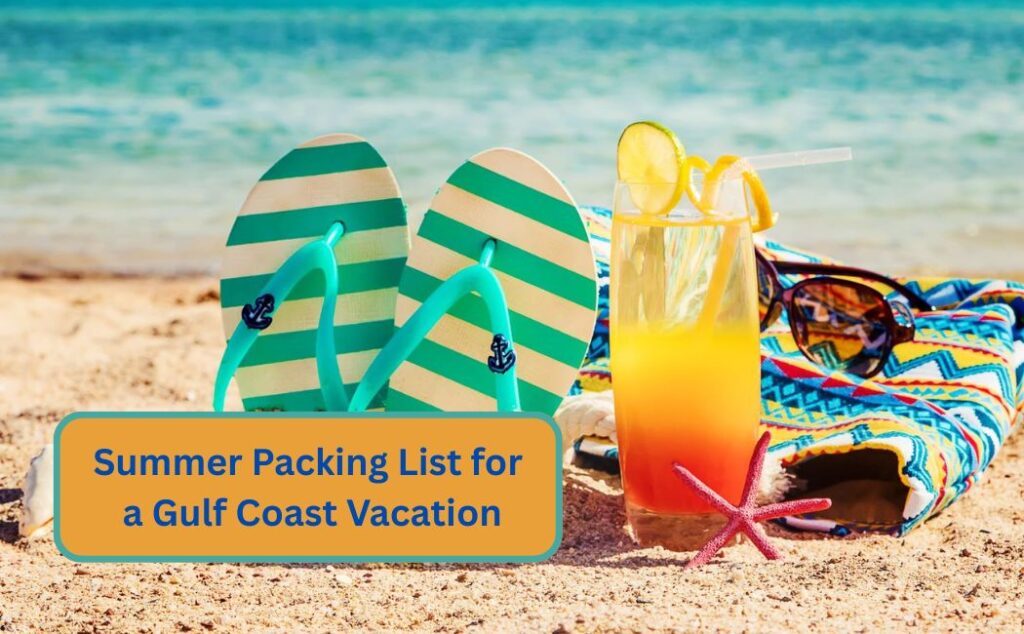
I have a confession to make about the first time I packed for a Gulf Coast beach day as a Sarasota resident rather than a visitor.
I brought what I always brought on beach vacations growing up — a beach towel, some sunscreen from CVS, flip-flops, and a bag from Target that I figured would hold everything. I arrived at Siesta Key at 10 AM because that seemed like a reasonable morning time. I was back in my car at 12:30 PM because the heat had genuinely won. My bag was full of sand. My sunscreen was the wrong kind. I had finished my water bottle by 11. My flip-flops had created blisters on the walk across the hot parking lot. And I hadn’t thought to bring anything for the afternoon, which I now had entirely free because I’d been chased off the beach by my own poor planning.
Living on the Gulf Coast teaches you how to pack for it. Visiting one time teaches you that it’s different from what you expect. This guide is the intersection of both of those truths — the packing list that I have now refined through a full year of Gulf Coast life, road-tested on Siesta Key, Brohard Paw Park, Fort De Soto, Lido Beach, and every farmers market in between.
This is not a generic beach packing list. It’s a Gulf Coast summer-specific one, with all the nuance that distinction requires.
Why Gulf Coast Summer Packing Is Different?
Before we get into categories, it’s worth understanding what makes the Gulf Coast summer beach experience specifically demanding in terms of what you bring.
The Gulf of Mexico is warm—water warm by July, with water temperatures reaching 85°F or above. The air temperature regularly hits the low 90s with humidity between 70–90%, which means your body is working much harder to cool itself than you’re used to. Florida’s July UV index regularly reaches 11+ — the extreme category — and unprotected skin can begin to burn in as little as 15 minutes, even on overcast days.
Then there’s the afternoon thunderstorm pattern: predictable daily storms that typically arrive between 3–5 PM, last 30–60 minutes, and then clear, leaving the evening cool and washed and golden. This means your day has a natural shape — beach in the morning, indoors or sheltered in the afternoon, evenings open.
And one Gulf Coast-specific reality that surprises almost everyone: the quartz sand of Siesta Key and the surrounding beaches gets everywhere. It is finer than sand you’ve likely encountered anywhere else — 99% pure quartz crystal — which means it finds its way into every bag, every phone case, every fabric fold with remarkable efficiency.
Pack for all of this, not just for the beach.
The Non-Negotiables: Things That Are Different Here Than Anywhere Else
Reef-Safe Mineral Sunscreen — Not Optional
This is the first thing I want to address because it’s the most commonly misunderstood item on any Gulf Coast packing list, and it matters enough to get right.
Standard chemical sunscreens — the kind that contain oxybenzone, octinoxate, or octocrylene — are harmful to marine ecosystems. These chemicals can bleach coral, impair fish reproduction, and create real ecological damage in the same waters you’re swimming in. The chemistry is straightforward: to find a reef-safe sunscreen, flip the bottle over and look for zinc oxide and titanium dioxide as the active ingredients. These are physical (mineral) UV-blocking ingredients that form a barrier on the skin rather than absorbing into it. Avoid aerosol sprays, which deposit most of the product onto the sand rather than your skin.
For the Gulf Coast specifically, where the waters are clear and the marine life is genuinely abundant, this is a choice that matters. Practically, it also means buying your sunscreen before you arrive — the selection at beach-adjacent gas stations and resort shops skews heavily toward chemical formulas.
What to look for: SPF 50+ broad-spectrum mineral sunscreen (zinc oxide + titanium dioxide as active ingredients). Water-resistant for at least 80 minutes. Fragrance-free if you’re sensitive. Apply before leaving your rental or hotel — not in the beach parking lot — and reapply every 90 minutes, more if you’ve been in the water.
How much to bring: More than you think. A family of four on a week-long trip will go through far more sunscreen than feels rational. Buy in bulk, buy early, and bring the excess home.
SPF lip balm. A separate one specifically for lips — your main sunscreen bottle is not going on your mouth, and lips burn quietly and badly in the Florida summer sun.
A Hat That Actually Works
Not a baseball cap. Not a thin, floppy sun hat that the Gulf breeze turns into a kite. A structured, wide-brim hat in straw or UPF-rated fabric that stays on your head in a coastal breeze and provides real shade for your face, ears, and the back of your neck.
The back of the neck is the most commonly sunburned spot on Gulf Coast beach visitors, because they’re facing the water and the sun is hitting the back of their neck. A wide-brim hat solves this. It also keeps your face a full ten years younger over the course of a week at the beach, which is not a small thing.
If your hat blows off in the breeze, it’s not the right hat. Look for adjustable chin cords, interior hat bands that grip, or structured brims that hold their shape.
Polarized Sunglasses
The Gulf of Mexico is extraordinarily bright. The water reflects light in a way that makes standard tinted sunglasses feel inadequate — you’ll squint, you’ll get headaches, you’ll be miserable by noon. Polarized lenses eliminate glare from water surfaces, which on the Gulf Coast is the specific kind of brightness you’re battling.
Bring sunglasses you’re comfortable leaving on a beach towel — salt, sand, and sunscreen are not kind to designer frames. A good mid-range polarized pair in a durable, lightweight frame is the practical choice.
The Beach Bag: Your Most Important Packing Decision
Get this wrong, and nothing else matters. Get it right and your entire beach experience improves.
The bag itself: Florida beach style experts consistently recommend a bag that is spacious, durable, and easy to clean — not small, not delicate, not precious. The best options have a structure that lets them stand up on sand rather than flopping over and spilling everything, a wipeable or water-resistant interior lining, and handles long enough to throw over a shoulder when your hands are full. Mesh panels help shake sand out easily at the end of the day.
What doesn’t work: cotton tote bags (absorb water, become heavy, and carry sand home indefinitely), small leather bags that need protecting, anything with fine hardware that salt air will corrode. The beach bag is a working tool, not a fashion statement — though there are genuinely beautiful canvas and woven options that manage to be both.
The organizational system inside: This matters more than most people admit. Keep your reef-safe sunscreen and first aid at the top where you can reach them without excavating the bag. Valuables — phone, keys, cards — in a waterproof zip pouch that lives at the bottom underneath everything, where it’s both protected and not tempting to casual theft. Wet items get their own dry bag or zip-lock bag so they don’t saturate everything else.
The Complete Packing List, By Category
Sun Protection
- Reef-safe mineral SPF 50+ sunscreen (bring more than you think, reapply every 90 minutes)
- SPF lip balm (separate from your body sunscreen)
- Wide-brim structured hat in straw or UPF fabric
- Polarized sunglasses with UV protection
- UPF 50+ rash guard or long-sleeve swim shirt (optional but excellent for extended water time — UPF 50+ clothing blocks approximately 98% of UV rays and doesn’t need reapplication)
- After-sun aloe vera gel (for the day you misjudged)
Swimwear
- Two swimsuits minimum per person, ideally three. This is the single most underestimated packing item for a Gulf Coast trip. One damp swimsuit doesn’t have time to dry before the next morning in high humidity — and the feeling of putting on a cold, slightly damp swimsuit at 7 AM on day three is deeply unpleasant. Two dry swimsuits in rotation means you always have a fresh one. Three means you’re genuinely comfortable.
- Swimsuit cover-ups (linen, cotton gauze, or cotton — see the beach-to-brunch guide elsewhere on this blog for the full philosophy on this)
- Rash guard if you or your children spend extended time in the water
Footwear
- Water shoes or sandals with thick soles for walking from the parking lot to the beach. The pavement and sand at a Florida beach parking lot in July is hot enough to cause real discomfort and minor burns on bare feet. This is not an exaggeration. Flip-flops with thin soles are barely better than nothing. Water shoes or sandals with actual soles are the practical answer.
- A pair of espadrilles or leather flat sandals for beach-to-brunch transitions (kept in the car or tucked in the beach bag)
- Something comfortable for walking in the evenings — the post-storm evening hours are the best time to explore, and you’ll want your feet to be comfortable
Clothing
Florida summer clothing philosophy: lightweight, breathable fabrics that move easily and dry quickly. Linen, cotton gauze, washed cotton, and lightweight modal all work. Polyester and synthetic blends do not — they trap heat and humidity in a way that becomes unbearable by mid-morning.
- Linen shorts, wide-leg linen trousers, or cotton shorts in neutral tones (one per day plus one extra)
- Simple tops: cotton or linen tanks, t-shirts, loose button-downs (one per day plus one extra)
- One or two linen midi dresses or sundresses for evenings out — the same dress that works on the beach in the morning works beautifully at a waterfront restaurant in the evening with gold earrings and flat sandals
- A lightweight layer for air-conditioned spaces. This is the most commonly forgotten item on any Florida summer packing list, and it comes up constantly. Florida restaurants, museums, and shops run their air conditioning aggressively — you can go from 93°F outside to 68°F inside in about four steps. A thin cardigan, a light denim jacket, or a woven wrap that you can carry in your bag is worth every inch of suitcase space it takes.
- One pair of slightly dressier clothes for a nice dinner — Sarasota’s waterfront restaurants range from casual to genuinely elegant, and packing one nicer outfit gives you the flexibility to go wherever the evening takes you
The Beach Kit
- Two quick-dry Turkish towels per person. Turkish towels are specifically the answer for Gulf Coast beach days — they’re thinner than traditional terry cloth, which means they pack smaller and don’t take up the entire beach bag. They dry in 20–30 minutes in the Florida sun rather than sitting damp for hours. And crucially, sand falls out of them rather than embedding in the fibers the way it does with terry cloth. Pack one for lying on and one for drying off after swimming — the two-towel system keeps your dry towel clean and sand-free.
- A waterproof dry bag for your phone, keys, and cards. This is non-negotiable. The Gulf’s clear, warm water is deeply inviting, and you will want to go in. Your phone and cards should not go with you. A simple waterproof pouch or dry bag keeps your valuables safe and dry, regardless of where the morning takes you.
- A small insulated cooler or cooler bag. The Florida summer heat renders unprotected snacks and drinks hot within an hour. A soft-sided insulated cooler that fits in your beach bag or beside it keeps water actually cold and snacks actually edible through a full morning session.
- A collapsible water bottle or large insulated water bottle, plus enough water for more than you think you’ll need. In high humidity, your body sweats without you always noticing how much. Bring water in a quantity that feels excessive. It will not be excessive.
- Beach snacks that won’t melt or go wrong in the heat. Granola bars, trail mix, fresh fruit, nuts, cut vegetables, crackers, and protein bars all travel well. Chocolate, anything with cream cheese, and soft candy are disasters. A snackle box or multi-compartment container keeps snacks organized and accessible without them getting sandy.
- A portable Bluetooth speaker if you’re the kind of person who listens to music at the beach. Get a waterproof one — it will get wet. The JBL Flip and UE Boom series are durable, water-resistant, and genuinely loud enough to hear over the Gulf wind.
- A small shell bag or mesh pouch for collecting shark teeth and shells. Venice Beach, just 30 minutes south of Sarasota, is genuinely the Shark Tooth Capital of the World — you can find fossilized shark teeth in the sand and shallow water on almost every visit. A mesh bag lets water and sand fall through while your finds stay put.
The Medicine Bag: Gulf Coast Specifics
This is where the Gulf Coast-specific knowledge matters most, because there are a few items that belong on this packing list that generic beach guides don’t mention.
Hydrocortisone cream. For jellyfish stings, no-see-um bites, and general skin irritation from salt and sun exposure. No-see-ums — tiny biting midges — are common along the Gulf Coast, especially in late afternoon near mangrove areas and at certain times of year. Their bites are disproportionately itchy for their size. Hydrocortisone handles them.
Anti-itch relief. Benadryl cream or a similar antihistamine topical for the same reasons. If you’re prone to reactions, oral Benadryl in tablet form is worth having in the bag as well.
A basic first aid kit. Waterproof bandages (regular ones don’t hold on wet, sandy skin), antiseptic wipes, pain reliever, and medical tape. This is the difference between a minor inconvenience and a trip back to the rental mid-morning.
Electrolyte packets or tablets. Add one to your water bottle when you’ve been active in the heat for more than 90 minutes. The Gulf Coast summer humidity means you’re losing electrolytes faster than usual, and water alone doesn’t fully replace them on active days.
A compact umbrella or packable rain jacket. The afternoon thunderstorms are predictable but not perfectly timed. If you’re planning to be anywhere outdoors between 2–5 PM — at a farmers market, walking St. Armands Circle, touring the Ringling grounds — a compact umbrella takes thirty seconds to pack and saves the afternoon when the sky goes suddenly dark.
Insect repellent. For evenings outdoors, particularly near water or mangrove areas. Mosquitoes and no-see-ums are active around dawn and dusk, and a DEET-free repellent (or a DEET-containing one if you prefer maximum effectiveness) makes outdoor evening time genuinely pleasant rather than a battle.
Electronics and Valuables
- Waterproof phone case or dry bag (non-negotiable)
- Portable phone charger/power bank. Florida summer means heavy photo-taking, GPS navigation, checking red tide conditions, and streaming music. Your phone battery will not make it through a full beach day without help.
- A charging cable in your beach bag, not just in your room
- Waterproof camera or GoPro if you’re diving, snorkeling, or kayaking — the Gulf’s underwater world is genuinely worth documenting
- Extra memory cards if you’re a serious photographer — morning light on the Gulf in summer is extraordinary
The Car Kit: Things You Leave in the Vehicle
This is a category most packing lists skip, and it makes a substantial difference to the quality of your trip.
A gallon jug of fresh water and a small tub kept in the car for rinsing sandy feet before getting in. This single item prevents approximately 90% of car-interior sand issues and is worth the trunk space it requires.
A full change of clothes for each person in a sealed bag. After a full morning at the beach, you want clean, dry clothes for lunch or shopping. Having them in the car means you don’t have to drive back to your rental between activities.
A dog travel kit if you’re traveling with a pet: portable water bowl, extra leash, dog towel, and treats. Don’t forget that most Sarasota County beaches don’t allow dogs — Brohard Paw Park in Venice is the primary off-leash beach option, and planning your dog beach days specifically around that destination is well worth the 30-minute drive.
What Not to Pack
This section is possibly as valuable as the list of what to bring.
Heavy terry cloth beach towels. They hold sand, take forever to dry in Florida humidity, and weigh down your bag unnecessarily. Turkish towels do everything better.
Aerosol sunscreen. Beyond the reef damage, a significant portion of the spray product lands on the sand or blows away in the Gulf breeze rather than reaching your skin. You end up using twice as much for half the coverage.
Delicate shoes. Salt air, seawater, and sand are unkind to leather, suede, and any material that requires maintenance. Pack footwear that can get wet and sandy and still look like itself.
Only one swimsuit. Addressed above, but worth repeating: one swimsuit on a week-long Gulf Coast trip is a form of suffering that’s entirely preventable.
A bag you love dearly. The beach bag gets sandy, gets wet, gets sunscreen spilled on it, and gets sat on in parking lots. Bring a bag you can treat like a working tool.
White anything. White shorts, white beach towels, white cover-ups. The Gulf Coast sand is remarkably good at demonstrating that you are at the beach. Save your whites for dinner.
The “One Bag Carry-On” Gulf Coast Version
For those flying in and determined to avoid checked luggage, here’s the edited-down version:
- Two swimsuits (wear one on the plane)
- Three cover-ups/outfit pieces that double as beach-to-brunch
- Turkish towels (two, rolled tightly — they pack incredibly small)
- Reef-safe SPF in a travel size to get through TSA, then buy a full-size locally (Target, Whole Foods, and Detwiler’s in Sarasota all carry good reef-safe options)
- Compact hat that packs flat or wears on a plane
- Polarized sunglasses in a hard case
- Waterproof phone pouch
- Portable charger
- Hydrocortisone, basic first aid, electrolytes
- One light layer for AC
- One pair of walking sandals, wear espadrilles on the plane
Everything else can be purchased locally or rented. Beach chairs, umbrellas, kayaks, paddleboards, and snorkel gear are all available through rental companies at most Gulf Coast beach access points.
The Night Before Checklist
This is the one I run through the evening before every beach morning — a five-minute check that prevents the “we’re in the parking lot, and I forgot the sunscreen” conversation:
- Reef-safe sunscreen applied to everyone before leaving (and in the bag for reapplication)
- SPF lip balm in the beach bag
- Water bottles filled and in the cooler bag with ice
- Turkish towels in the bag
- Phone waterproof pouch with phone, cards, and keys
- Snacks packed and sealed
- Portable charger charged
- Extra swimsuits in a bag in the car
- Change of clothes in the car
- Hat accessible (not at the bottom of the bag)
- Sunglasses in the car cup holder
- Check red tide status at myfwc.com (takes 30 seconds, saves a miserable morning)
A Final Note From Someone Who Learned All of This the Hard Way
The Gulf Coast in summer rewards the well-prepared in a way that feels slightly disproportionate. The difference between showing up with the right sunscreen, the right towel, the right hat, and enough water — and showing up with what you grabbed from the hall closet — is the difference between a morning that feels like the best possible version of Florida life, and a morning that ends at 12:30 because you’ve run out of water and can no longer stand the sun.
This coast is genuinely extraordinary. The Gulf is warm and clear and impossibly beautiful. Siesta Key’s sand does actually feel like something that shouldn’t exist. The early morning beach, before the heat arrives, is one of the most peaceful experiences available to a person on a Tuesday in the summer.
Pack it properly. Give yourself the best version of it. You came all this way.
Have a specific question about packing for Sarasota or the Gulf Coast that this guide didn’t answer? Drop it in the comments — I answer everyone. And if you want the complete guide to planning a Gulf Coast summer trip from someone who lives it year-round, subscribe to the Belle on the Boardwalk newsletter. New posts every week from this stretch of Florida I’ll never stop writing about.