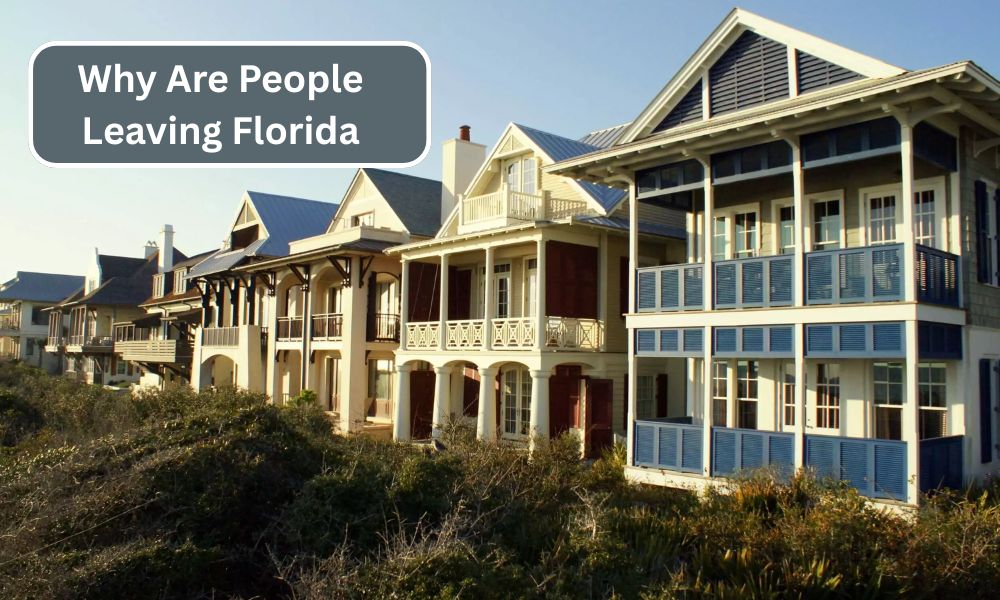
Hey Florida friends! I’m Hannah from Belle on the Boardwalk, and you know I’ve spent years exploring the Sunshine State’s most beautiful beaches, hidden gems, and cultural treasures—and I’ve always believed Florida was the ultimate dream destination. But lately, there’s been a quiet shift happening that I can’t ignore: people are leaving Florida, and the reasons are more complex than you might think.
If you’ve been hearing headlines about a “Florida exodus” or watching moving trucks leave Tampa, Miami, and Cape Coral, you’re probably wondering: “Is Florida really losing people, and why?”
The answer is both yes and no—Florida is still growing overall, but the pandemic-era migration boom has significantly slowed, and an increasing number of residents are quietly relocating elsewhere. This isn’t just speculation—Census data shows Pinellas County lost approximately 12,000 residents between July 2024 and 2025 (the highest decline of any U.S. county apart from Los Angeles).[1]
Let me break down the real reasons behind why are people leaving Florida in 2026, the data behind the trend, where they’re moving to, and what this means for Florida’s future.
Is Florida Really Losing People?
What the Data Actually Says:
Before diving into the “why,” let’s clarify the reality:
| Fact | Detail |
| Florida still growing | Net migration remains positive overall [2] |
| But the boom faded | Pandemic influx has diminished significantly [1] |
| Outflows increasing | More people are leaving than moving in in some areas [3] |
| Pinellas lost 12,000 | Highest decline of any U.S. county (except LA) [1] |
| Young people leaving faster | People in their 20s moving out faster than moving in [4] |
| 50+ still moving in | Net migration remains positive for people over 50 [4] |
Top 8 Reasons Why Are People Leaving Florida?
1. Reason: Skyrocketing Cost of Living
The Real Problem:
The biggest reason people are leaving Florida is affordability. The math of staying in Florida has fundamentally changed, and for many households, it no longer works.
What’s Driving Up Costs:
| Expense | Increase | Impact |
| Housing prices | 30–50% since 2020 | Rent/buy is unaffordable for many |
| Home insurance | 40–60% since 2022 | Many homeowners can’t afford coverage |
| Property taxes | 20–30% increase | Rising with home values |
| HOA fees | 25–40% increase | Monthly fees exploding |
| Utilities | 15–25% increase | Electricity and water costs are rising |
Real Case Study (From Business Insider):
A middle-class Tampa family’s story: Their housing costs jumped over $1,200 a month in just three years (2023–2026). They couldn’t keep up with the rising costs and relocated to Tennessee for better purchasing power.
Miami Housing Crisis:
In the Miami metropolitan area, housing costs consume roughly 60% of median household income (national average is 40%):
- Typical Miami homeowner pays: Nearly $4,100/month
- $2,800 for the home itself
- $537 for insurance
- $468 in property taxes
My Personal Take:
My reality: I’ve seen friends leave Florida because they couldn’t afford their homes. One couple in Tampa paid $1,800/month in 2023, and now it’s $3,200/month in 2026. They left for Georgia because the math didn’t work anymore.
2. Reason: Home Insurance Crisis
What’s Happening:
Florida’s home insurance crisis is one of the top reasons people are leaving. Insurance premiums have exploded faster than incomes, making homeownership financially impossible for many.
Insurance Cost Increases:
| Year | Average Annual Premium | Increase |
| 2020 | $2,200 | Baseline |
| 2022 | $3,100 | +41% |
| 2024 | $4,200 | +91% |
| 2026 | $5,300+ | +141% |
Why Insurance Is So High:
- Hurricane risk: Florida faces frequent storms (2–3 major hurricanes per decade)[5]
- Flood zones: Many homes are in high-risk flood areas[9]
- Climate risk: Rising sea levels, intensifying storms[6][9]
- Insurer bankruptcies: Multiple Florida insurance companies went bankrupt (2022–2024)[5]
- Uninsurable homes: Some homes can’t get insurance at all[9]
Real Impact:
A retiree’s story: A retiree who paid cash for their home in Tampa still couldn’t “outrun rising insurance costs”. They relocated to Arizona because insurance was 60% cheaper.[7]
My Personal Take:
My warning: Before buying in Florida, check insurance costs. I’ve seen homes go from $1,500/year insurance to $5,000/year in just 2 years. It’s a shocking financial shock.
3. Reason: Frequent Storms & Climate Risk
The Climate Threat:
Florida’s frequent storms and climate risks are a major push factor. Hurricanes, flooding, and extreme heat are becoming more pressing than they were 10 years ago.
Storm & Climate Data:
| Risk | Frequency | Impact |
| Major hurricanes | 2–3 per decade | Property damage, displacement |
| Flooding | Annual (many areas) | Home damage, insurance issues |
| Heat waves | Summer (100°F+) | Health risks, cooling costs |
| Sea level rise | 1–2 inches per decade | Flood zones expanding |
Why It Pushes People Out:
- Hurricane damage: Homes destroyed, insurance unaffordable
- Flood risk: Many coastal homes are in high-risk zones
- Heat stress: Summer temperatures exceed 100°F, unhealthy for the elderly
- Uninsurable areas: Some areas are becoming “uninsurable”
- Remote work: People can move anywhere, so they choose safer states
My Personal Take:
My experience: I survived Hurricane Ian in 2022, and the aftermath was devastating. My friend lost their home, and they’re now in North Carolina. Climate risk is real, and it’s pushing people out.
4. Reason: Housing Affordability Collapse
What’s Happening:
Florida has lost ground on the crucial affordability factor. Housing is considered affordable when costs don’t exceed 30% of median income, but nationally that figure now exceeds 40%, and in Miami it’s 60%.
Housing Cost Data:
| Area | Housing Cost vs. Income | Status |
| National average | 40% of income | Unaffordable |
| Miami area | 60% of income | Crisis level |
| Tampa area | 45% of income | Unaffordable |
| Orlando area | 42% of income | Unaffordable |
| Naples area | 38% of income | Still affordable |
Real Impact:
- Nearly 80% of Floridians say buying a home is harder than 5 years ago
- More than 1/3 cite high prices as the principal barrier
- Half of the respondents have considered leaving the state because of the cost of living
- Nearly half of Floridians are living paycheck to paycheck
My Personal Take:
My reality: I’ve seen rental prices jump from $1,500 to $3,200 in 3 years. Young families can’t afford to rent, and retirees can’t afford to buy. The “affordable paradise” dream is unraveling.
5. Reason: Job Market & Stagnant Wages
The Job Problem:
Florida doesn’t have major industries that provide high-paying employment opportunities, and wages are stagnant compared to cost increases.
Job Market Issues:
| Issue | Detail |
| Low-paying jobs | Florida relies on tourism, retail, service jobs [1] |
| Stagnant wages | Wages haven’t kept up with cost increases [1] |
| No high-paying industries | No major tech, finance, healthcare hubs [1] |
| Return-to-office policies | Remote work ending, people leaving [1] |
Real Impact:
- Working-age arrivals decreasing: Fewer people moving in for jobs[1]
- Young professionals leaving: People in their 20s moving out faster[4]
- Nurses relocating: Medical professionals moving to Georgia, Tennessee for higher purchasing power[7]
My Personal Take:
My friend’s story: A nurse in Tampa couldn’t make $55,000/year work with rising costs. She moved to Nashville for $75,000/year and better purchasing power.
6. Reason: Heat and Humidity
The Weather Reality:
Florida’s relentless heat and humidity are push factors for many residents, especially those who want “4 seasons.”
Weather Issues:
| Factor | Detail |
| Summer heat | 100°F+ temperatures, unhealthy |
| Humidity | 80–90% humidity, uncomfortable |
| No winter | “No more 4 seasons” complaint |
| Allergy season | Year-round pollen, mold |
Who It Pushes Out:
- Retirees: Elderly struggle with extreme heat
- Young families: Kids can’t play outside in summer
- Outdoor workers: Heat makes work dangerous
My Personal Take:
My experience: I love Florida winters, but summer is brutal. I can’t go outside at 2 PM in July—it’s 105°F and 90% humidity. I’ve friends who left for Arizona because they want “4 seasons.”
7. Reason: Traffic, Overcrowding & Development
The Infrastructure Problem:
Florida’s exploding population growth has led to overcrowded roads, traffic, and failing infrastructure.
Infrastructure Issues:
| Issue | Detail |
| Overcrowded roads | Major highways packed |
| Traffic | 30–60 min commutes common |
| Development | Rapid growth, no planning |
| Failing infrastructure | Roads, bridges need repair |
Real Impact:
- Balmy weather + constant traffic = leaving combo
- Commute times doubled: From 15 min to 45 min in 5 years
- Overcrowding: Beaches, parks packed, no space
My Personal Take:
My reality: I used to drive 15 minutes to the beach. Now it’s 50 minutes on I-95. The traffic is unbearable, and I’m tired of it.
8. Reason: Quality of Life Not as Expected
The Lifestyle Reality:
Many residents expected a laid-back, paradise lifestyle, but the reality is overcrowded, expensive, and stressful.
Quality of Life Issues:
| Expectation | Reality |
| Laid-back lifestyle | Crowded, chaotic, stressful |
| Beach paradise | Overcrowded beaches, no space |
| Affordable living | High costs, unaffordable |
| Warm weather | Extreme heat, unhealthy |
Real Impact:
- Half of respondents considered leaving because of cost of living
- “Florida dream” turning into “financial nightmare”
Where Are Floridians Moving to in 2026?
Top States Former Floridians Are Choosing:
| State | Why They’re Moving |
| Georgia | Lower housing costs, similar vibe |
| Tennessee | Lower pressure, no state income tax |
| North Carolina | Warm weather, slower pace, lower housing |
| South Carolina | “Same vibe, lower pressure” relocation |
| Texas | In-migration powerhouse, lower costs |
| Arizona | Cooler summers, lower insurance, golf communities |
| Idaho | Lower housing costs, mountain lifestyle |
| Arkansas | Lower housing costs, affordable |
My Personal Take:
My friends: 3 of my friends moved to Georgia in 2025, 2 moved to Tennessee, and 1 moved to Arizona. They’re all happier with lower costs and better quality of life.
Is Florida Still Worth It?
Who Florida Is Still a Great Fit For:
| Profile | Why Florida Works |
| Retirees (50+) | Warm weather, no state income tax, active lifestyle |
| Tourism workers | Jobs in tourism, service industry |
| Coastal lovers | Beaches, water views, summer lifestyle |
| Budget-conscious (coastal) | Some areas still affordable (Naples, smaller towns) |
Who Might Want to Think Twice
| Profile | Why Florida Might Not Work |
| Young families (20s–30s) | Housing unaffordable, jobs low-paying |
| Remote workers | Can move anywhere, choose safer states |
| High-cost sensitivity | Insurance, housing too expensive |
| Climate risk-averse | Hurricanes, flooding, heat |
| Quality of life seekers | Overcrowded, traffic, stress |
The Bottom Line: What’s Really Happening in Florida
Florida is not emptying out—it’s reshuffling. The pandemic-era migration boom has significantly slowed, and an increasing number of residents are quietly leaving for affordability, lifestyle balance, or proximity to family.
Key takeaways:
- Florida still growing overall, but boom faded
- Cost of living is the #1 driver (insurance, housing, taxes)
- Climate risk is real (hurricanes, flooding, heat)
- Young people leaving faster than older
- Florida is still great for retirees (50+ net migration positive)
- People moving to Georgia, Tennessee, Carolinas, Arizona
Florida is still a beautiful state with amazing beaches, warm weather, and no state income tax. But the “affordable paradise” dream is unraveling. For many households, the calculator has already made the decision to leave.
Love this post? Save it for your Florida trip, share it with your Florida-loving friend, and let’s talk—are YOU thinking of leaving Florida? Comment below.

Welcome to my blog!
Meet Hannah Katherine, the creative voice behind Lifestyle, a blog dedicated to finding beauty and balance in everyday living. A former interior stylist turned full-time content creator, Sophie blends her love for cozy home design, mindful travel, and self-care into heartfelt stories that inspire readers to slow down and savor the little moments..