There was a moment on our second dive off Waikiki — about 50 feet down, hovering over a reef shelf watching a Hawaiian green sea turtle glide past us close enough to see the barnacles on its shell — when the number in my credit card statement became temporarily irrelevant.
Temporarily.
We planned the Hawaii trip specifically around our PADI certifications. We’d gotten certified at Florida Underwater Sports in Sarasota a few months earlier, and the whole time we were completing our open water dives in the Gulf, Ryan kept saying: We should use these in Hawaii. It became the organizing principle of the trip — not just a beach vacation, but our first real dive trip as certified divers. We’d do Oahu. We’d dive off Waikiki. We’d see the turtles.
What I didn’t fully model, going in, was what Oahu would cost in 2025 for two people doing it the way we wanted to do it. I had a number in my head. The number was wrong — low by a meaningful margin, in the casual, self-deceiving way that vacation budgets tend to be. We spent more than I planned and came home more satisfied than I expected, which is a complicated result that I’ve been wanting to write about honestly ever since.
This is that post. The real numbers, the honest assessment of what was worth it and what wasn’t, and the answer to the actual question: is Hawaii worth the money?
Let’s Start With Reality: What Hawaii Actually Costs
Before we get to the philosophical answer, the financial one.
Hawaii is one of the most expensive vacation destinations in the United States. This isn’t news — it’s a small group of islands in the middle of the Pacific Ocean, and virtually everything that isn’t grown locally must be shipped there. The cost of living in Hawaii is significantly higher than the U.S. mainland average, and that reality trickles into every category of tourist spending.
Here is what a couple spending a week on Oahu should realistically budget in 2025:
Flights
Round-trip flights from the U.S. East Coast to Honolulu run $600–$1,200 per person, depending on season and how far in advance you book. We flew from Tampa, which isn’t a direct Hawaii market — we connected through Los Angeles, which added time and booking complexity. East Coast flights generally cost more than West Coast routes, which run $400–$900 per person round-trip.
The best strategy is booking 3–4 months in advance for the best rates, and being flexible on departure days. Tuesday and Wednesday departures typically run cheaper. If you have travel points or miles, this is one of the highest-value redemptions you can make — business class to Hawaii on points is genuinely achievable and would otherwise run $3,000–$5,000 per person.
Our actual flight cost: About $900 per person from Tampa with one connection. We did not use points for this trip (lesson learned for next time).
Accommodation
In 2025, hotels in Hawaii continued to see prices rise, largely due to the increased cost of living on the islands. Here’s how accommodation shakes out by type:
| Type | Average Cost Per Night |
|---|---|
| Hostel | $60–$100 |
| Budget/Mid-range hotel | $150–$280 |
| Vacation rental (condo) | $170 + ~18% tax |
| Mid-range Waikiki hotel | $250–$400 |
| Luxury resort | $400–$1,000+ |
Most Hawaii hotels charge a resort fee of $30–$50 per night on top of the room rate, and you’ll also pay Hawaii’s hotel tax, which runs approximately 18.712% to 19%. Always check the total before confirming.
That resort fee reality is genuinely important and catches people off guard. A hotel advertising $229 per night can easily land at $310 per night after resort fees and taxes are applied at checkout. This is not fine print you can ignore.
For most couples staying in Waikiki — which is the most convenient base for a first Oahu trip — budget $250–$350 per night for a solid mid-range experience. A week runs $1,750–$2,450 just for accommodation.
We stayed in a mid-range hotel in Waikiki, one block from the beach, at around $280 per night before fees. After resort fee and tax, our nightly cost was closer to $340. For seven nights, that was $2,380. This was, by a significant margin, the largest single expense of the trip.
Our actual accommodation cost: ~$2,380 for 7 nights.
Food
Restaurant prices are very high in Hawaii. Expect to pay on average between $55 and $75 per person for a meal in a standard sit-down restaurant, and remember that tipping runs 15–20%, which must be added to the final bill.
The saving grace: Hawaii has excellent, affordable alternatives. Food trucks and plate lunch spots — the Hawaiian tradition of garlic shrimp, poke bowls, kalua pig, macaroni salad served in cardboard plates — typically run $12–18 per person and are genuinely some of the best food you’ll eat on the island. These food trucks can be found almost everywhere: roadside, on beaches, in parks, and gathered in food courts, especially on Maui, Kauai, and Oahu.
Our strategy: hotel room with a kitchenette (we paid slightly more for this, and it was absolutely worth it), groceries from Foodland or Times Supermarket for breakfasts and snacks, plate lunch spots and food trucks for most lunches, and one real sit-down dinner every day or two. This kept our daily food spending around $80–100 for both of us combined, rather than the $150–200+ that full restaurant dining would have cost.
The advice that locals consistently give: dine out once per day maximum, supplement with groceries or the hot/cold bar at grocery stores like Foodland.
The things you must eat regardless of cost: poke bowls (so fresh and different from anything you get on the mainland), Giovanni’s garlic shrimp truck on the North Shore (cash only, outrageously good, worth every calorie and every minute of the line), malasadas from Leonard’s Bakery in Honolulu (Portuguese donuts that have no business being that good), shave ice from Matsumoto’s in Haleiwa. These are not optional.
Our actual food cost: ~$700 for two people over 7 days, using the grocery + selective dining strategy.
Car Rental
This is the expense that surprised us most, and the one I want to be most specific about for future travelers.
Car rental in Hawaii in 2025 runs an average of $80–$220 per day from major agencies. That’s before taxes, before the collision damage waiver, and before the fact that hotel parking in Waikiki runs $45–$70 per night at major resorts. The cost of renting a car AND parking it at your hotel in Waikiki for a week can run $800–$1,200.
Here’s what we did instead, and what I’d recommend to anyone basing themselves in Waikiki: we did NOT rent a car for the full trip. For the first four days, we were in Waikiki — everything we needed was walkable or accessible by TheBus (Oahu’s public transit system, $3 per ride, $7.50 for a day pass). The iconic Waikiki Beach is lined with resorts and tourist infrastructure, making it genuinely possible to avoid a car entirely if your activities are centered there.
For day three — our North Shore day — we rented a car for one day only, picked it up in Waikiki (not at the airport, which saves a whole night of parking fees), drove the North Shore circuit, and returned it in the evening. One day rental plus gas ran us about $130. We saved approximately $500–600 compared to a full-week rental with hotel parking.
Our actual transportation cost: ~$150 total (single-day car rental + bus passes + two airport rideshares at ~$40 each way).
Activities
This is where Hawaii trips vary most dramatically and where the “worth it” question becomes most personal.
Sightseeing activities, entertainment, and entrance tickets in Oahu typically cost an average of $27 per person per day based on the spending of previous travelers. That’s the average — our trip ran significantly higher because our primary purpose was diving.
Here’s what we paid:
| Activity | Cost Per Person |
|---|---|
| Two scuba dives off Waikiki (certified divers) | ~$120–$160 per dive day |
| Hanauma Bay snorkel (entrance fee + equipment) | $25 entrance + $12 equipment rental |
| Diamond Head hike | $5 per person parking |
| North Shore turtle viewing (Laniakea Beach) | Free |
| Giovanni’s garlic shrimp (not technically an activity but felt like one) | ~$15 per person |
| Pearl Harbor / USS Arizona Memorial | $1 (the memorial is free, parking costs) |
| Polynesian Cultural Center (optional, skipped by us) | $60–$125 per person |
The diving was the trip’s highest single expense and its most justified one. Our two-dive sessions off Waikiki with a local dive operator included underwater navigation through shipwrecks, a coral reef with abundant tropical fish, and — the thing we came for — swimming alongside Hawaiian green sea turtles. The turtle that passed within arm’s reach on our second dive was larger than I expected, moving with the kind of unhurried weight that comes from being both ancient and completely unafraid. The guides were experienced, the equipment was excellent, and the 60-foot visibility in Hawaiian water made everything our Gulf dives had prepared us for feel like it was finally being put to its proper use.
Worth every cent. Without reservation.
Our actual activities cost: ~$400 total for two people for the week.
The Full Trip Cost: What We Actually Spent
| Category | Our Cost (2 people, 7 nights) |
|---|---|
| Flights | $1,800 |
| Accommodation | $2,380 |
| Food | $700 |
| Transportation | $150 |
| Activities | $400 |
| Souvenirs/misc | $150 |
| Total | ~$5,580 |
For context, a one-week trip to Hawaii for two people costs on average $5,502, including accommodation, food, local transportation, and sightseeing — not including flights. We came in right at the average, including flights, by using the car strategy, the grocery strategy, and being selective about where we splurged.
A couple spending more on accommodation (a nicer Waikiki hotel), more on dining (full sit-down dinners every night), and more on activities (helicopter tour at $300+ per person, additional excursions) could easily spend $9,000–$12,000 for the same week.
What Was Worth Every Dollar
The Dives
I’ve already said this, but I’ll say it again: if you’re a certified diver and you go to Hawaii without diving, you’ve missed the main event. The underwater world off Oahu — accessible within 20 minutes of Waikiki by boat — is something that no beach day or hiking trail replicates. Turtle Canyon, the artificial reef created from a sunken vessel, the coral shelves alive with fish we’d only seen in books — these were the moments the trip was built around, and they delivered completely.
Hanauma Bay
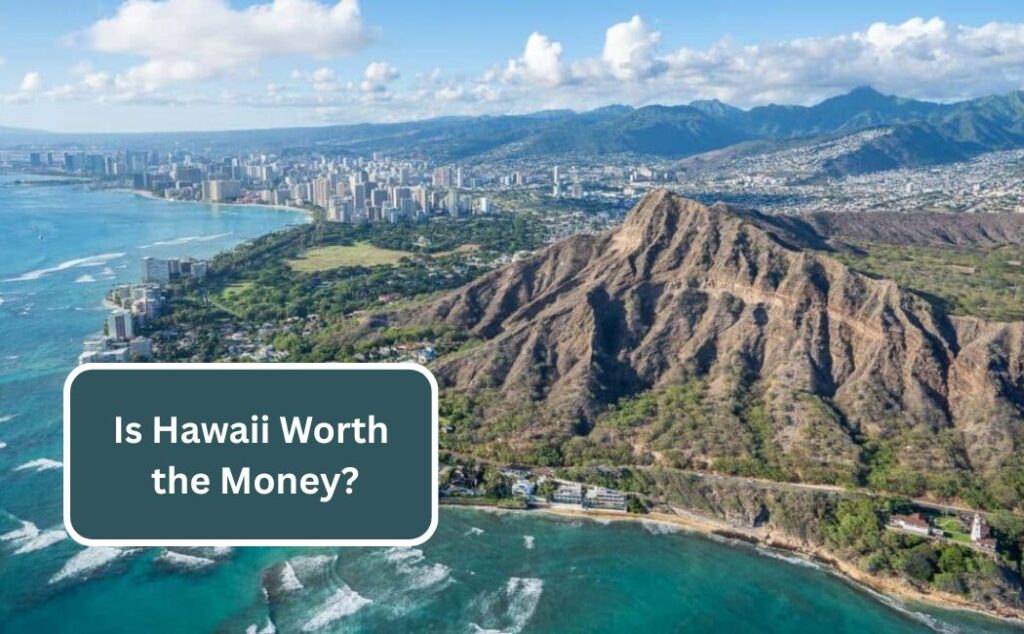
Hanauma Bay is a marine sanctuary formed within a volcanic cone on the eastern side of Oahu. It’s $25 per person to enter; you must book in advance (daily visitor numbers are limited to protect the reef, and it sells out), and you’ll watch a short educational video before entering. Worth all of that. The bay is genuinely breathtaking from above — the first view of the turquoise water cupped in the volcanic crater stops you mid-step — and the snorkeling inside is world-class. We saw more marine life in two hours at Hanauma Bay than in a full day of Gulf Coast snorkeling. The reef fish are everywhere, fearless, and extraordinary in color.
The North Shore
The day we rented the car and drove the North Shore circuit was one of our favorite days of the trip, and it’s almost entirely free once you have wheels. The North Shore is known for Turtle Bay and the delicious shrimp trucks that line the streets. We stopped at Laniakea Beach (Turtle Beach) and saw green sea turtles basking on the sand — close enough to photograph from a respectful distance, watched over by volunteer ocean guardians who educate visitors on keeping their distance. We ate at Giovanni’s garlic shrimp truck, which is everything it’s claimed to be. We drove through Haleiwa and got shave ice from Matsumoto’s. The whole day cost us the car rental, gas, and about $40 in food. Excellent value.
The Food Trucks and Plate Lunch Culture
The best food we ate in Hawaii — genuinely, not as a budget compromise — was from a poke bowl shop in a strip mall and Giovanni’s truck on the North Shore. Hawaii’s plate lunch culture and food truck scene are legitimately world-class, and embracing them rather than treating them as budget alternatives to “real” dining is the right frame. The food reflects the cultural blend of the islands — Japanese, Filipino, Korean, Portuguese, native Hawaiian — in a way that sit-down tourist restaurants sometimes flatten into a more generic seafood menu.
What Wasn’t Worth the Money (Or Could Have Been Cheaper)
The Hotel Resort Fees
Paying $50 per night extra for “resort services” that included a pool I used once, an app I never downloaded, and daily newspaper delivery that I did not want is the specific Hawaii expense I’d handle differently next time. One genuine money-saver is finding the best Oahu hotels without resort fees — a list that exists and is worth researching. The extra $350 in resort fees over our week’s stay was not generating proportional value.
Airport Transfers
We paid about $40 each way for rideshares between Honolulu airport and Waikiki. This is roughly correct for the distance, but TheBus runs between the airport and Waikiki for $3 per person if you have light bags. We had too much luggage for the bus on arrival, but on departure, we could have taken it. Small savings, but worth knowing.
Waikiki Shopping
There are beautiful things in the shops along Kalakaua Avenue. There are also $45 macadamia nut chocolate boxes and $80 aloha shirts that I thought about and did not purchase. The Aloha Stadium Swap Meet (Wednesday, Saturday, Sunday) is where you buy the same items for a fraction of the price — local vendors, genuine products, none of the tourist markup. I wish I’d known about it before day four.
The Money-Saving Strategies That Actually Work
Book 3–4 months in advance for both flights and accommodation. Last-minute Hawaii is significantly more expensive. We booked our hotel about six weeks out and paid a noticeable premium.
Use travel points. This is the piece of advice I wish I’d followed for this trip. Chase Sapphire Preferred, Amex Platinum, Capital One Venture — if you have any of these cards and have been accumulating points, Hawaii is one of the highest-value redemptions. Business class to Hawaii on points is achievable. A free hotel night is achievable. We paid cash for everything on this trip because we hadn’t been strategic about points accumulation. Next time will be different.
Choose Oahu over Maui or Kauai for a first trip. In general, Oahu is the cheapest Hawaiian island to visit. Hotel rates on Oahu typically run about 30% below the statewide average. Maui runs 63% above the statewide average. If it’s your first time in Hawaii and budget matters, Oahu gives you access to extraordinary experiences at meaningfully lower prices than the other major islands.
Use the one-day car rental strategy. Rent for the specific days you need to leave Waikiki, not for the whole trip. Park at a lot in Waikiki (not your hotel) and return to the pickup area in the evening. The savings over a week-long rental with hotel parking are real.
Embrace the grocery strategy hard. Breakfast at the hotel room from groceries (fruit, yogurt, good bread from Times Supermarket), lunch from a plate lunch spot or food truck, dinner at one restaurant of your choosing. This alone saved us $30–50 per day compared to full restaurant eating.
Book Hanauma Bay in advance. The entry system is timed and capacity-limited. Same-day entry is often unavailable. Book online at the official site as soon as your dates are confirmed.
Is It Worth It?
Yes. With the specificity that a genuine answer requires.
Hawaii is worth the money for people who engage with what makes it genuinely extraordinary: the ocean, the marine life, the landscape, the culture, the food, and the particular quality of light and air that only exists in the middle of the Pacific. If you’re a diver or snorkeler, it’s worth it with no qualifications. The underwater world off Oahu is some of the most extraordinary accessible diving in the world, and having our PADI certifications gave us access to experiences that no other investment could have bought.
Hawaii is a poor value for people who go to sit by a pool in a resort that could be in Orlando, eat at restaurants that could be in Miami, and shop at stores that exist everywhere. You pay Hawaii prices for that experience but receive nothing that’s specific to Hawaii in return.
The honest distinction: Hawaii rewards engagement with its specific identity more than almost any other destination. The people who come back saying it wasn’t worth it usually had a Waikiki resort experience. The people who come back already planning their next trip drove to Hanauma Bay before it opened, ate garlic shrimp from a truck on the North Shore, and watched a turtle ascend from 50 feet below them in water clear enough to see the bottom.
We are firmly in the second group. Our certifications got us there.
The Practical Summary: What to Budget
| Budget Style | Weekly Cost (2 People) | Notes |
|---|---|---|
| Budget | $3,500–$5,000 | Vacation rental, grocery-heavy, free activities, economy flights |
| Mid-range | $5,500–$8,000 | Mid-tier hotel, mixed dining, select paid activities, economy flights |
| Comfortable | $8,000–$12,000 | Better hotel, daily dining out, premium activities, consider premium economy |
| Luxury | $12,000–$25,000+ | Resort, fine dining, helicopter tour, business class flights |
Food runs $50–$150 per person per day, depending on your mix of groceries versus restaurants. Activities range from $0 (beaches are free) to $800+ per person for the week. The mid-range is the sweet spot for most couples who want the real Hawaii experience without either camping or staying at a luxury resort.
Final Thoughts
Without hesitation. And next time we’d go with better strategic planning on the points front, a condo instead of a hotel (kitchenette, no resort fees, more space), and we’d go earlier in the spring before the summer price spike.
We’d also spend more time on the windward side of the island — Kailua, Lanikai Beach, the Ko’olau Mountains. We’d do more diving. We’d budget a day for Hanauma Bay at opening time before the crowds arrive. We’d eat at Giovanni’s twice.
Hawaii is one of those places that doesn’t fully reveal itself on the first trip. It’s a destination that gets better the more you understand it, and the more you engage with what it actually is rather than what a resort brochure presents. The turtle at 50 feet down, moving through water that looked like liquid crystal — that’s what Hawaii actually is.
It was, in every sense that matters, worth the money.
We got our PADI certifications at Florida Underwater Sports in Sarasota before this trip — if you’re considering getting certified before your own Hawaii trip, I wrote the full certification guide here on the blog. And if you’re researching the points and miles strategy for booking Hawaii affordably, that post is coming soon. Subscribe to the newsletter so you don’t miss it.

Welcome to my blog!
Meet Hannah Katherine, the creative voice behind Lifestyle, a blog dedicated to finding beauty and balance in everyday living. A former interior stylist turned full-time content creator, Sophie blends her love for cozy home design, mindful travel, and self-care into heartfelt stories that inspire readers to slow down and savor the little moments..